
False Claims Act · Qui Tam · DOJ Civil Frauds
FCA cases begin under seal, move quietly through DOJ, and arrive with
treble damages and parallel criminal exposure already on the table. The seal
period is the most valuable defense window you will get.
A False Claims Act investigation rarely starts with a knock on the door. It usually starts quietly — a civil investigative demand in the mail, a subpoena for billing records, or a call from your compliance officer saying federal agents want to interview an employee.
By the time most companies learn a qui tam complaint exists, the government has often been investigating for months or years under seal.
We defend companies, executives, physicians, government contractors, and individuals facing False Claims Act allegations and qui tam whistleblower lawsuits. Our managing partner is a former Assistant U.S. Attorney who was trained by, and later trained, federal agents at the FBI, IRS, DEA, and DOJ. We built this practice around understanding how the government builds these cases from the inside.
This page explains how the False Claims Act works, how a qui tam case moves from a sealed complaint to a potential lawsuit, what penalties are on the table, and how a defense attorney should be involved at each stage.
The False Claims Act, codified at 31 U.S.C. §§ 3729–3733, is the federal government’s primary civil tool for fighting fraud against federal programs and contracts.
The law imposes liability on anyone who knowingly submits a false or fraudulent claim for payment to the government, or who knowingly makes a false record to get a false claim paid.
“Knowingly” under the statute includes actual knowledge, deliberate ignorance, and reckless disregard of the truth. You do not need specific intent to defraud the government to face liability — carelessness about accuracy can be enough.
The Act was originally passed in 1863 to address fraud by Civil War defense contractors. Congress significantly strengthened it in 1986, and it remains the government’s most active fraud-enforcement statute, used heavily against healthcare providers, defense contractors, and federal grant recipients.
Example: A durable medical equipment company bills Medicare for wheelchairs that were never delivered to patients. Even without proof of an intentional scheme, if the company recklessly disregarded whether the equipment was actually delivered, it may face False Claims Act liability.
Most False Claims Act cases do not start with the government. They start with a private individual — called a relator — filing a lawsuit on the government’s behalf. This is the “qui tam” provision of the Act.
A relator can be a current or former employee, a competitor, a contractor, or anyone with inside knowledge of the alleged fraud. Common relators include:
Qui tam complaints are filed under seal, meaning they are kept confidential from the public and from the defendant. The relator’s attorney serves the complaint only on the Department of Justice, not on the company being accused.
The seal period initially lasts 60 days, but courts routinely grant extensions. In practice, many qui tam cases stay sealed for a year or longer while the government investigates.
This is why a company can be the subject of a federal fraud investigation — subpoenas, civil investigative demands, agent interviews — without ever seeing the underlying complaint. The seal protects the investigation, not the defendant.
While the case is sealed, the Department of Justice’s Civil Division, often working with the U.S. Attorney’s Office and the Civil Fraud Section, investigates the relator’s allegations. This can include:
If DOJ intervenes, the government takes over primary responsibility for litigating the case, and the resources brought to bear increase substantially. If DOJ declines to intervene, the relator can still pursue the case independently, though these cases succeed far less often without government backing.
Either way, the unsealing of the complaint is usually the first moment a company learns exactly what it has been accused of — sometimes long after the underlying conduct occurred.
DOJ’s approach to fraud enforcement has also shifted. For years, the government’s focus in these matters was largely on the company — fines, settlements, corporate liability. That focus has moved toward individuals: executives, decision-makers, and the people who approved or certified what was submitted to the government.
This shift matters for anyone connected to a qui tam investigation, not just the company named in the caption. If someone at your organization played a role in the conduct at issue, whether and when to disclose it to the government is not just a compliance question — it is a question of leverage. Once the government finds the issue on its own, the options narrow. Instead of deciding how to handle a problem, you are reacting to how the government has already decided to handle it. Getting an honest read on that timing question early is part of what we help clients work through.
If you have received a subpoena or civil investigative demand referencing Medicare, Medicaid, or a federal contract, that is often a sign a sealed qui tam complaint already exists. Speaking with defense counsel before responding can shape how the rest of the investigation unfolds. Contact our office to discuss what you are facing.
False Claims Act liability is not limited to large corporations. Defendants can include:
Because individuals can be named alongside their employer, an executive who had no intent to defraud anyone can still find themselves personally named in a qui tam complaint based on decisions made in good faith. This is one of the most misunderstood aspects of the statute.
The False Claims Act itself is a civil statute. But the same underlying conduct — false billing, fraudulent certifications, misrepresentations in a government contract — can also violate federal criminal fraud statutes, including healthcare fraud, mail and wire fraud, and false statements laws.
| Civil False Claims Act | Parallel Criminal Fraud | |
|---|---|---|
| Who brings it | DOJ Civil Division or a private relator | U.S. Attorney’s Office, DOJ Criminal Division |
| Burden of proof | Preponderance of the evidence | Beyond a reasonable doubt |
| Intent required | Knowing, deliberate ignorance, or reckless disregard | Typically requires specific intent to defraud |
| Possible outcome | Treble damages, per-claim penalties, exclusion | Fines, restitution, imprisonment |
It is common for DOJ’s civil and criminal divisions to coordinate on the same underlying facts. A civil investigative demand can run alongside a grand jury investigation. Statements made or documents produced in the civil case can be used in a criminal proceeding.
Because of this overlap, a defense strategy built only around the civil exposure can leave a company or individual exposed on the criminal side. Any response to a False Claims Act inquiry should account for both possibilities from the start.
When a False Claims Act matter runs alongside a criminal fraud investigation, the criminal exposure is not measured the same way as the civil damages exposure. Federal fraud sentences are calculated under United States Sentencing Guidelines §2B1.1, and understanding how that guideline works is part of evaluating the full picture in an FCA matter with a parallel criminal component.
Section 2B1.1 starts with a base offense level of 7. From there, the guideline adds levels for specific characteristics of the conduct. Ten or more victims can add 2 levels. Fifty or more victims can add 4. Using sophisticated means to carry out the fraud can add 2. Misrepresenting that a claim was made on behalf of, or with the authority of, a government agency can add another 2 levels — a characteristic that comes up often in cases built around false claims submitted to the government. These enhancements stack. A case that starts at a base level of 7 can climb into a far more serious sentencing range once every applicable characteristic is added.
Sophisticated means is one of the most commonly applied enhancements, and one of the most worth contesting. It does not require a technically complex scheme. Courts applying this enhancement have found that simply moving money between multiple accounts to mask where it came from can be enough on its own, even without any real complexity involved.
There are ways to push back on it. We look at whether the accounts or entities involved served a legitimate business purpose, whether the conduct was actually simple and repetitive rather than layered and deliberate, and whether the enhancement is proportional to what actually happened. Routine conduct that the government dresses up as “sophisticated” is worth challenging.
Loss amount drives most of a federal fraud sentence, and it is not a fixed number. It is the government’s calculation, and the guidelines distinguish between actual loss and intended loss, generally applying whichever figure is higher. That means a scheme that fell short, or a claim that was later corrected, can still be treated as if the full amount had been taken.
Because that number is really a spreadsheet of assumptions, it can usually be challenged. We look for credits against loss, such as the value of goods or services actually delivered to the government, which reduce the loss figure. We look for double counting, where the same dollar amount gets attributed more than once. And we examine whether an intended loss figure is realistic or purely speculative. In a matter that also carries FCA exposure, this same loss figure often overlaps closely with the calculation behind the government’s treble-damages theory, so challenging it can affect both the criminal and civil sides of the case.
In most False Claims Act matters, the government itself is the primary victim, so the victim-count enhancement plays a smaller role than it does in cases involving individual investors or consumers. But when a scheme also harmed private parties, such as patients, subcontractors, or investors, the number of victims can add levels under the guidelines. Those victim lists are worth reviewing closely for duplicate entries or people who were already reimbursed, or whose loss actually came from something unrelated to the conduct at issue.
PPP loan fraud is one of the most heavily investigated categories of pandemic-era fraud, and it is a useful, purely illustrative example of how these pieces fit together in a matter that also carries False Claims Act exposure.
This is a hypothetical, not a description of an actual case. Imagine a $300,000 fraudulent PPP loan. The loss amount alone could add 12 levels to the base offense level of 7. If a fake identity was used to obtain the loan, add 2 more levels. If the government also applies a sophisticated means enhancement, add 2 more. That combination reaches an offense level of 23, which on its own can point toward a 46-to-57-month guideline range.
Now suppose the sophisticated means enhancement is successfully challenged, and the person also receives credit for acceptance of responsibility. Together, those two adjustments could bring the offense level down to roughly level 18 or 19, a meaningfully different range. This is why, in a matter with criminal exposure, the guideline math itself is worth litigating rather than accepting at face value.
Because criminal sentencing exposure is calculated so differently from civil FCA damages, we evaluate both sides of a matter together from the start rather than treating the criminal exposure as an afterthought to the civil case.
The financial consequences of an FCA judgment or settlement can be severe, and they compound quickly across a large number of claims.
Example: A staffing agency submits 4,000 invoices to a federal healthcare program with an inflated billing code. Even at the low end of the per-claim penalty range, the penalties alone could exceed $57 million before any damages multiplier is applied. This is why early, informed legal strategy matters — the exposure scales with claim volume, not just with the size of any single transaction.
The stakes involved in a False Claims Act case are rarely limited to a single settlement check. Talk with our attorneys before you respond to a civil investigative demand, subpoena, or unsealed complaint — early missteps can affect penalty calculations and exclusion decisions later in the case. Schedule a consultation to discuss your situation.
False Claims Act cases tend to cluster around a few recurring fact patterns:
Many of these cases begin as ordinary billing or compliance disagreements that escalate once a departing employee brings them to a plaintiff’s attorney or directly to DOJ.
A compliance review conducted before the government comes calling is the most effective way to limit exposure. We look at billing practices, certifications, and contract representations the same way a federal investigator would.
In addition to traditional whistleblower complaints, DOJ increasingly uses data analytics to identify potential false claims on its own, comparing billing patterns, contract performance, and financial data across an entire industry to spot outliers. A qui tam relator is still how most FCA cases begin, but a company can no longer assume that the absence of a disgruntled employee means the absence of risk.
If you believe your organization may already be exposed, even before any subpoena arrives, the same first steps apply. Hire counsel experienced in federal fraud defense immediately, not after an investigator calls. Preserve every record that could be relevant. Get a real, honest assessment of whether early self-disclosure makes sense under current DOJ policy, since that timing decision can affect both cooperation credit and the size of eventual exposure. And route any contact with the government through counsel, so nothing gets said informally that cannot be walked back later.
A subpoena or civil investigative demand is often connected to a sealed qui tam complaint you cannot yet see. We help clients respond to these requests carefully, preserve relevant records, and prepare employees for interviews without knowing the exact allegations yet.
This stage is also where the most damaging unforced errors happen. Altering or destroying records after learning of an inquiry does not make the underlying billing or certification issue disappear. It creates a separate obstruction problem, one the government can often prove more easily than the original false-claims allegation. Preserving records, and producing them strategically through counsel, does the opposite. It can create real leverage later in the case, including during settlement negotiations.
It also helps to understand that a sealed qui tam investigation does not sit still just because you cannot see it. While the complaint stays under seal, the government is often quietly gathering records, interviewing witnesses, and building its position. By the time a company treats a subpoena as the whole story, the investigation behind it is frequently much further along than it appears.
Once DOJ intervenes and the complaint is unsealed, the case becomes a formal civil action backed by the full resources of the federal government. We work to narrow the scope of alleged false claims, challenge the damages theory, and pursue early resolution where appropriate.
A declination does not end the case. The relator can still proceed alone, and these cases carry real risk in front of a jury. We evaluate the relator’s evidence and resources and build a defense accordingly.
Most FCA cases resolve through settlement rather than trial. We negotiate settlement terms, including the scope of any Corporate Integrity Agreement, and push back on exclusion or debarment recommendations that go beyond what the conduct supports.
Because civil and criminal exposure often overlap, we evaluate every matter with both tracks in mind from day one. Speak with our defense team as soon as you learn of a government inquiry.
Our managing partner, Russell Lorfing, is a former Assistant U.S. Attorney designated a Cyber Hacking Intellectual Property Prosecutor by the U.S. Attorney’s Office. He has trained federal agents and prosecutors for the FBI, IRS, DEA, and DOJ, and has been recognized nationally for his work on white-collar investigations involving the IRS, Homeland Security, and the FBI. In 2024, he served as Co-Chair of the Federal Criminal Defense Committee for the Texas Criminal Defense Lawyers Association.
Founding partner Trey Keith has spent more than 20 years defending clients against serious federal and state allegations, including a not-guilty verdict in a money laundering case. Hon. E. Scott Frost (Ret.), Of Counsel, brings more than 30 years of federal courtroom experience to our team.
Beyond our named partners, our broader team includes former federal prosecutors, former federal public defenders, former FBI agents, former IRS criminal investigators, and a retired federal judge. That range of backgrounds means we have seen False Claims Act and parallel fraud matters from nearly every seat in the process, not just the defense table.
The False Claims Act applies the same way nationwide, regardless of where the alleged conduct occurred. Our attorneys are admitted to practice in federal courts including the Fifth Circuit, the Northern, Western, and Southern Districts of Texas, the District of Columbia, and the United States Supreme Court, and we regularly work alongside local counsel to represent clients in federal investigations across the country.
We do not guarantee outcomes — no honest attorney can, particularly in a federal fraud matter. What we offer is direct experience with how these investigations are built, because our managing partner spent years building them for the government. Contact us to discuss a pending or anticipated investigation.
What is a qui tam lawsuit?
A qui tam lawsuit is a civil case filed under the False Claims Act by a private individual, called a relator, on behalf of the federal government. The relator alleges that a person or company defrauded a federal program or contract. The case is filed under seal, and the government investigates before deciding whether to take over the litigation.
How would I know if I am the subject of a False Claims Act investigation?
Common early signs include a civil investigative demand, a subpoena for billing or contract records, or a request to interview employees. These requests often arrive before any complaint is unsealed, so you may not yet know the specific allegations.
Can a company face both a civil False Claims Act case and criminal charges?
Yes. The same conduct can support both a civil FCA case and criminal fraud charges, such as healthcare fraud or wire fraud. DOJ’s civil and criminal divisions frequently coordinate, so any response to a civil inquiry should account for potential criminal exposure.
How much money can a whistleblower receive?
Relators who bring a successful qui tam case can receive a percentage of the government’s recovery. The share depends on factors including whether the government intervened. It comes from the government’s recovery, not as an additional penalty against the defendant.
What happens during the seal period of a qui tam case?
The complaint stays confidential while DOJ investigates the allegations, often through subpoenas, civil investigative demands, and witness interviews. The defendant is generally not served with the complaint during this period, even though the underlying conduct is already under review.
Do I need a lawyer if I only received a subpoena, not a lawsuit?
Yes. A subpoena or civil investigative demand is often the first visible sign of an investigation tied to a sealed complaint. What you produce and say can affect the case long before any lawsuit becomes public.
Is the False Claims Act only about healthcare fraud?
No. While healthcare billing is one of the most common areas of enforcement, the Act applies to any false claim for payment submitted to the federal government, including defense contracting, federal grants, customs reporting, and federally backed loans.
What should I do if a former employee threatens to file a qui tam complaint?
Take the concern seriously and involve counsel immediately. An internal review conducted with legal guidance can identify and correct real compliance issues and put you in a stronger position if a complaint is later filed. Do not retaliate against the employee — retaliation carries its own liability under the Act.
If your company or organization is facing a False Claims Act inquiry, a qui tam complaint, or a related federal investigation, the choices you make in the first few weeks matter. Contact Keith & Lorfing to speak with a defense team led by a former federal prosecutor who understands how these cases are built — and how to defend against them.
Speak with our federal investigations team confidentially.
24/7 Crisis Line: 325-480-8100
Engagements nationwide
The Team

Partner
Russell Lorfing Former Federal Prosecutor

Partner
Brandi Young Former Federal Prosecutor

Partner
David Sloan Former Federal Defender
He put his trial skills to work in the courtroom, prosecuting cases for Ellis County and the District Attorney’s office in Waxahachie. His skills were recognized by the trial lawyers around him, and he went from a misdemeanor prosecutor to lead counsel on murder trials in less than three years.

Of Counsel
C. Richard Baker Former Assistant United States Attorney

Of Counsel
Hon. Scott Frost (Ret.) Former Federal Judge
Keith served as an FBI Special Agent in Lubbock for 27 years, focusing on human trafficking, crimes against children, and terrorism. Known for his collaborative leadership and relentless pursuit of justice, he now brings his expertise to our firm as Special Investigator.

Of Counsel
Eric Gerard Former Federal Prosecutor
Keith served as an FBI Special Agent in Lubbock for 27 years, focusing on human trafficking, crimes against children, and terrorism. Known for his collaborative leadership and relentless pursuit of justice, he now brings his expertise to our firm as Special Investigator.

Of Counsel
Chris Solis Former Federal Prosecutor
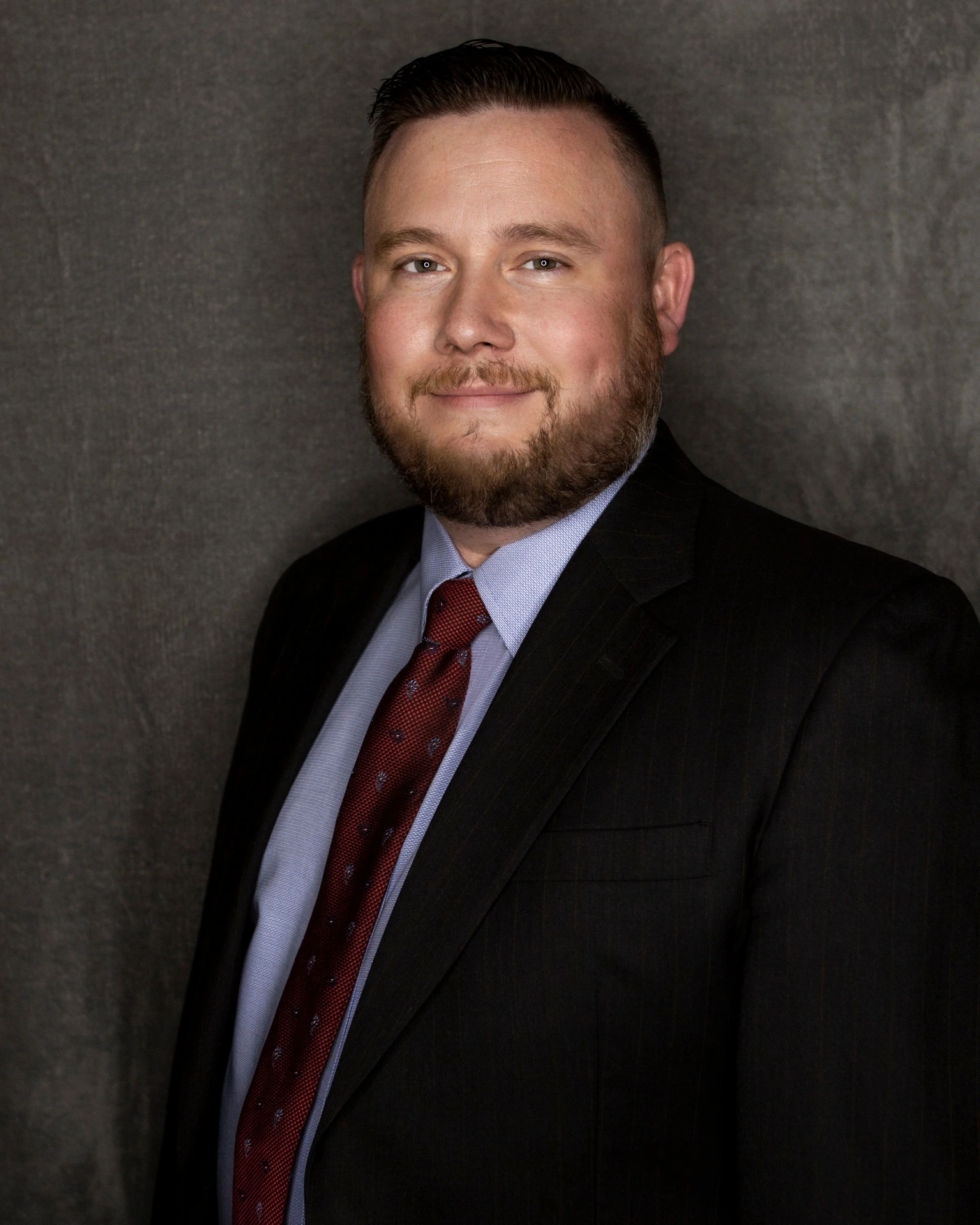
Senior Associate
Shane Chriesman Former Federal Prosecutor
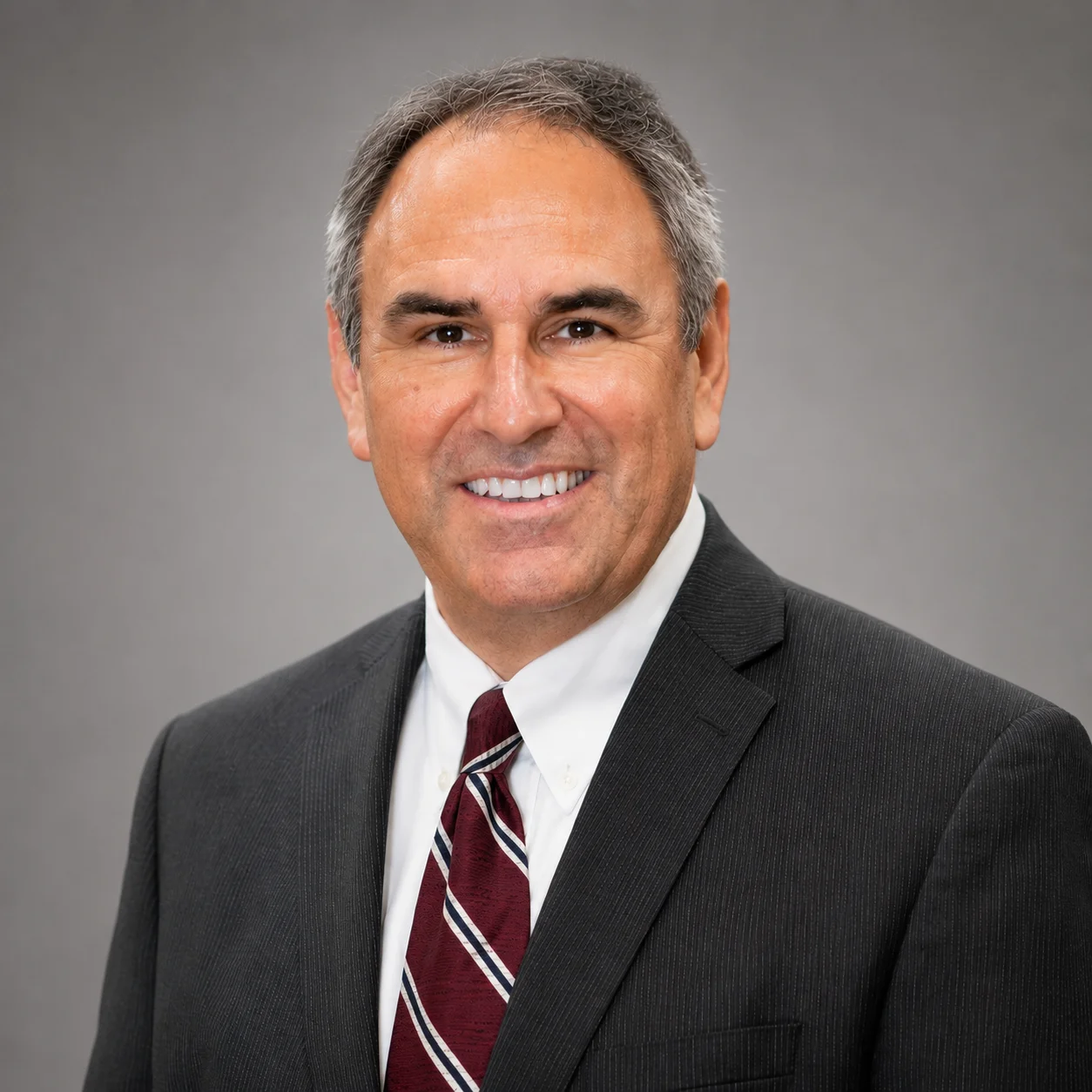
Strategic Advisor
Javier Rocha Family Office Executive & Attorney
A family office executive and attorney with over a decade leading privately held businesses and executive teams across complex organizations. His career has focused on governance, investments, operations, and long-term stewardship for family office functions involving billions in assets, advising billion-dollar enterprises on internal investigations, investment diligence, and succession planning. Serves as Board of Directors Chairman for Heritage School and Assistant Scoutmaster for Troop 137.
Advisors & Investigators
A bench of former federal agents, prosecutors, and senior advisors who provide investigative
depth and strategic counsel on the firm’s most complex matters.
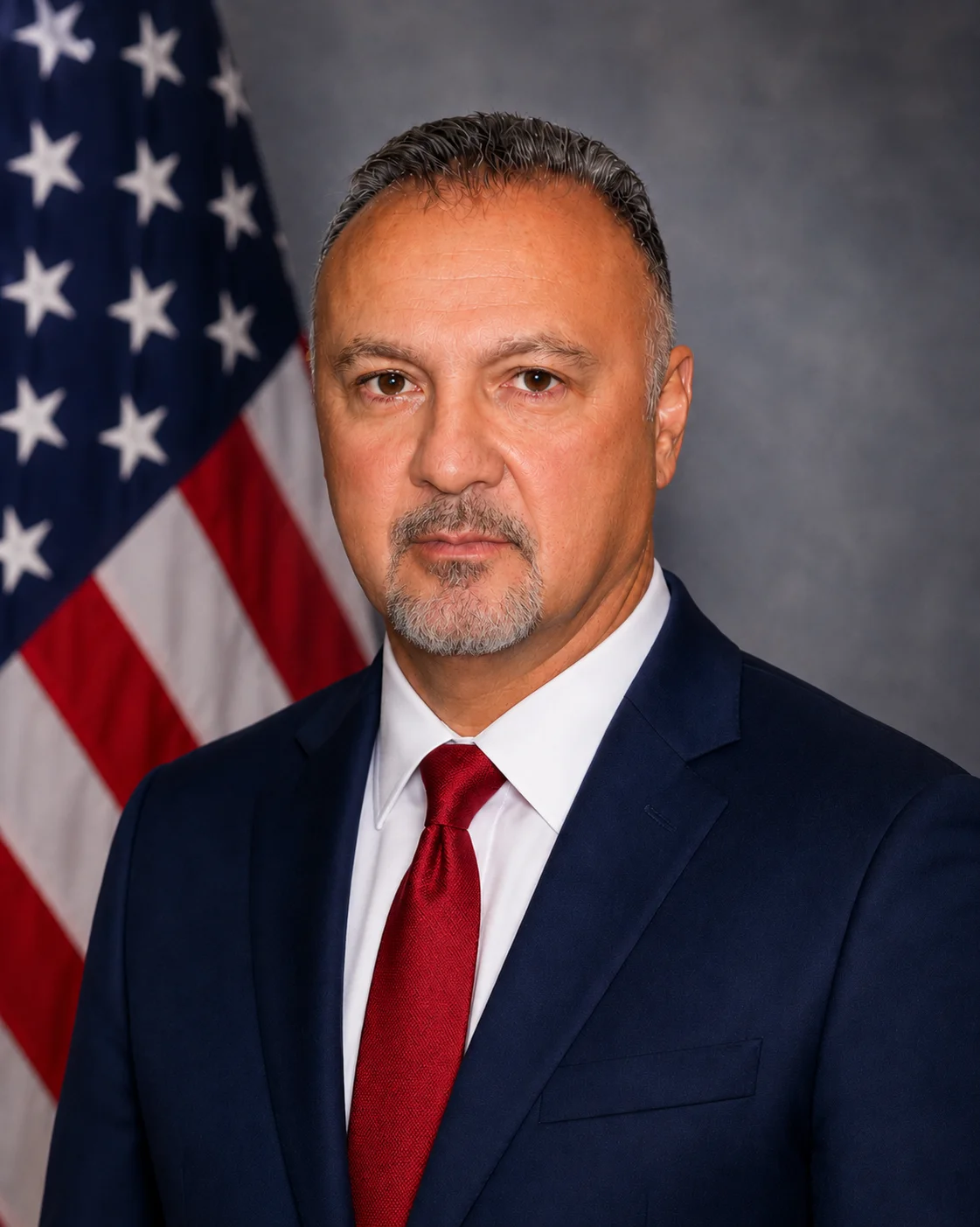
Strategic Investigator
Arthur Gonzales Former FBI Supervisory Special Agent
Nearly three decades with the FBI in leadership roles spanning counterterrorism, organized crime, and financial crimes. Recognized nationally and internationally for expertise in complex federal investigations, crisis management, and undercover operations, and served as an instructor at the FBI Academy. Provides strategic consulting and investigative support in federal criminal defense and white-collar investigations.
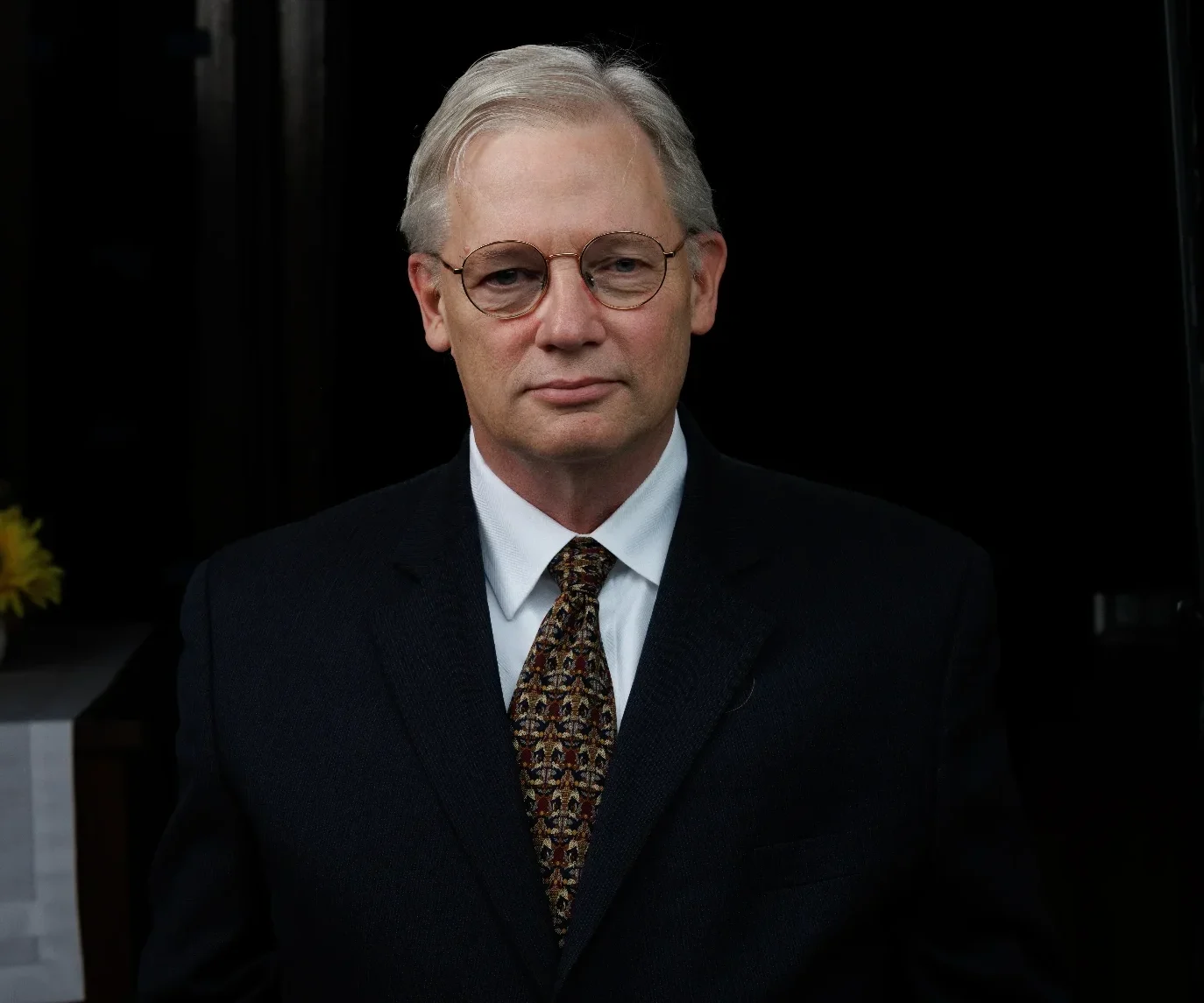
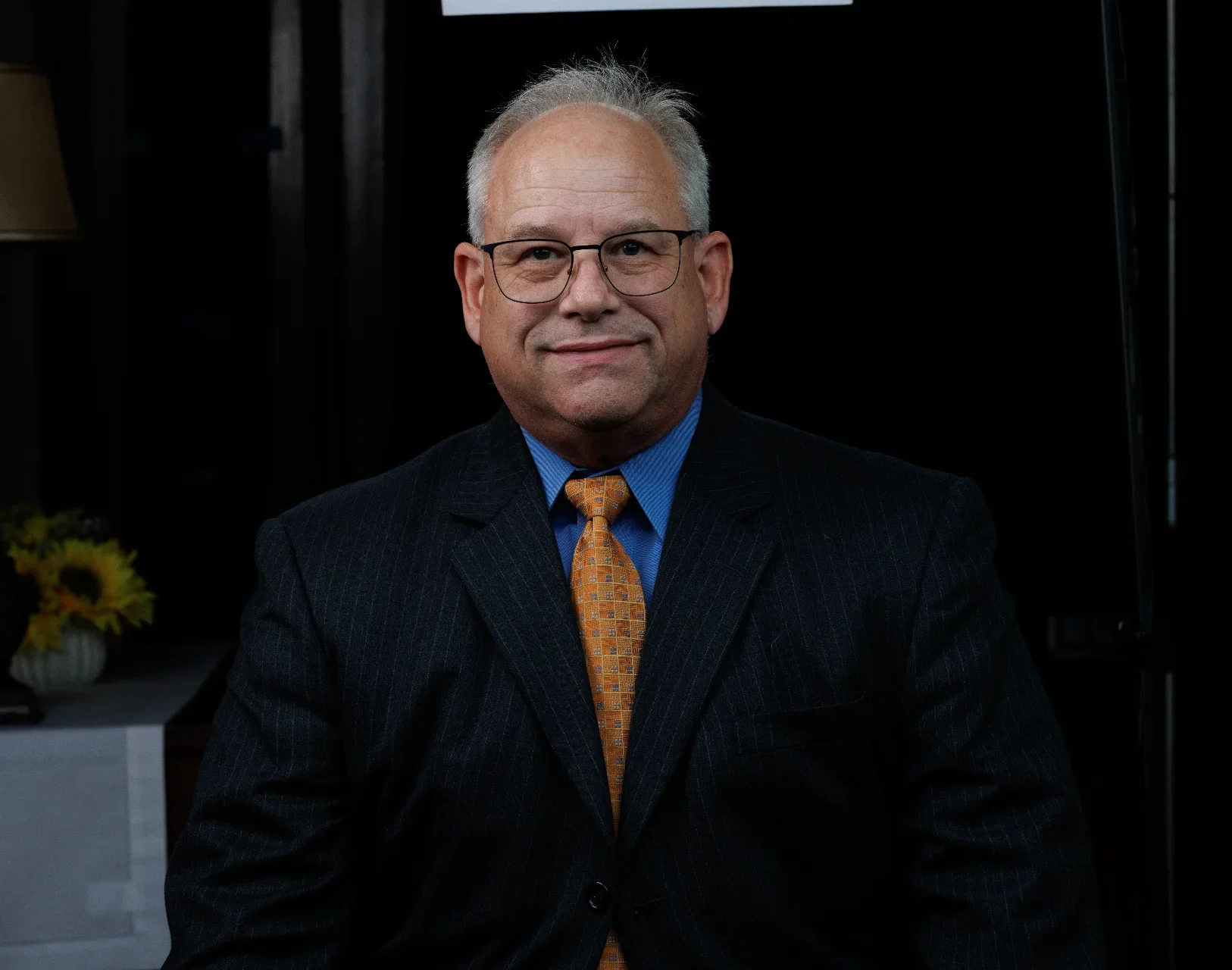
Strategic Investigator
Michael Orndorff Retired FBI Special Agent
Strategic Investigator
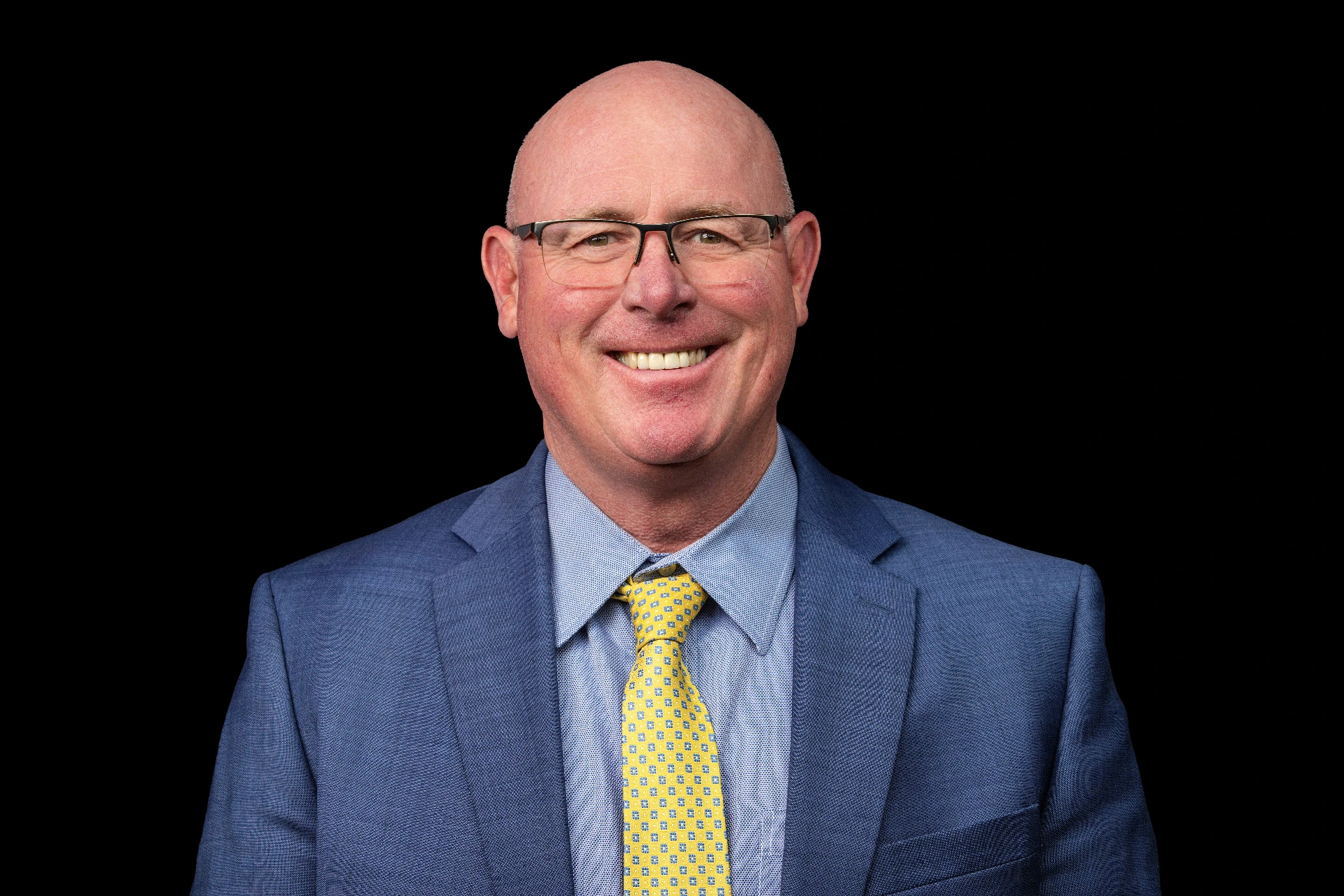
Travis Thorson Retired IRS-CI Special Agent & FBI Task Force Officer
Over two decades of federal investigative experience focused on complex financial crimes, money laundering, and organized criminal enterprises. A former IRS Special Agent whose forensic accounting work was critical in tracing illicit financial activity and building federal prosecutions. Provides strategic consulting for federal criminal defense, forensic accounting, and money laundering investigations.
Special Investigator
Keith Quigley Former FBI Special Agent
Keith served as an FBI Special Agent in Lubbock for 27 years, focusing on human trafficking, crimes against children, and terrorism. Known for his collaborative leadership and relentless pursuit of justice, he now brings his expertise to our firm as Special Investigator.

Strategic Investigator
Jenifer Sparks Retired FBI Special Agent & Certified Profiler
Nearly three decades of FBI experience specializing in violent crime investigations, behavioral analysis, and crimes against children. Served as a Special Agent, Supervisory Special Agent Profiler, and Coordinator of the FBI’s Child Exploitation Task Force. Provides strategic consulting in federal criminal defense, human trafficking investigations, witness credibility assessment, and behavioral analysis.

Strategic Investigator
Jennifer Cejpek Former FBI Special Agent & Certified Fraud Examiner
More than two decades of federal investigative and intelligence experience specializing in healthcare fraud, financial crimes, and public corruption. As a former FBI Special Agent, she led complex federal investigations in close coordination with the Department of Justice. Background includes service as an Electronic Warfare and Intelligence Analyst in the U.S. Army and expertise in forensic interviewing. Advises on federal criminal defense, white-collar crime, and compliance matters.

Strategic Advisor
William Luttrell Financial Analyst & CPA
Financial analyst and Certified Public Accountant advising the firm on complex financial matters, forensic accounting, and the analysis of records central to federal white-collar and financial crime defense.
Recognition
Internal Revenue Service
For prosecutorial accomplishments on financial investigations
National Recognition
Recognized nationally for white-collar investigations work
U.S. Department of Justice
Decades of distinguished service at the U.S. Department of Justice
Combined Team Experience
Combined experience across DOJ, FBI, and the federal bench
Accolades & Accreditations








Client Reviews
I had a dear family friend retain Russell behind some very serious criminal charges. Russell listened and maintained contact through the whole process to assure he felt comfortable and in the loop. With Russell’s help, the case/investigation was dismissed and innocence ensured. We are so grateful for Russell’s dedication and professionalism. Would definitely recommend
Our personal experience could not have been better. These attorneys worked diligently and stayed in constant contact with us regarding the developments in our case. We always had the final say in any offers made by the prosecution. If I could only say one thing about them it would be “they listen” I always felt that my opinion was heard and considered. We discussed everything good and bad. When a decision was finally agreed on we felt it was the very best and truthfully an almost unbelievable outcome. I never want to find my family in the midst or subject of a criminal case ever again but if it happens my first and only call will be to this law firm. Big thanks to Russell and Chris on a job well done. And the office staff are simply amazing! Always polite, knowledgeable, and professional. Thank you all for treating us as family and working so hard to bring this case to a great conclusion.
I had a legal case that was difficult for me, and Russell Lorfing was very helpful throughout the process, advocating for me and working with me throughout the whole process. He was quite accessible as well whether by phone or email, and his staff was also quite helpful to reach out to. Russell was very systematic in going through the evidence that we had in building a case and gave pragmatic explanations on his views considering all the evidence. He also gave me the confidence several times during the process that the evidence for my case was sufficient in building a strong defense. I appreciate very much that he did not sugarcoat my situation and was patient in addressing concerns I had along the way. I strongly recommend Russell for anyone going through a difficult legal battle.
Russell was representing another client in federal court and my family saw him in action and we immediately fired our lawyer and hired Russell on the spot. One of the best decisions we’ve ever made. My brother’s case was very serious as he was looking at 40 years Fed for distribution of methamphetamine. Russell is very connected and well respected when it comes to law. He has great history in the courts with judges and prosecutors. Russell will not sell you a dream—he will shoot you straight and will not sugar coat anything. Russell was able to get my brother’s sentence cut in HALF to something way more reasonable.
Russell Lorfing is THE guy you hire if you’ve been charged with a federal crime in West Texas. My fiancé was charged with a serious federal charge and we needed an experienced defense lawyer. He is one of the most honest lawyers you will find—he tells you exactly how things are and answers your questions honestly. He was looking at 13+ years, and now is looking at 5 years thanks to Mr. Lorfing, who did not rest until he was able to get him something better.
My son is on State and Federal Parole. He was in a lot of trouble that could have landed him in prison for many years. Russell took my son’s case and has done a great job. Russell was able to get the state charges against my son dismissed—my son was looking at a minimum of twenty-five years. Russell also got my son a great plea deal with my son’s federal case. The Keith & Lorfing team treated us as if we were family. I recommend Keith & Lorfing to everybody.
My entire experience with Keith and Lorfing has been great. I was facing the possibility of a 15 year MINIMUM sentence. Mr. Lorfing was very honest and made no promises but he reassured me that his main goal was to keep me out of prison. He did just that and I was able to sign for 6 years probation instead. I highly recommend Keith and Lorfing for anyone in need of a confident and experienced defense attorney.
My husband and I had a great experience working with Russell Lorfing. He managed to get my brother-in-law’s federal case dismissed in a short period of time. Mr. Lorfing is caring and is in constant contact with you and your family. He is a great federal defense lawyer. He is highly recommended!
I wanted to express my deepest gratitude for the incredible support and expertise you provided to my family member. Your dedication and hard work made a world of difference during a challenging time. Thank you for going above and beyond to ensure the best possible outcome. We will strongly encourage anyone that is experiencing any case to consider Russell Lorfing Esq. to represent them.
At the first of our situation we were scared and didn’t know where to begin. My wife made a phone call to Keith & Lorfing just to see where to begin—turned out to be the best decision! Russell and Chris from Keith & Lorfing were absolute professionals. They were the smartest and most prepared in the courtroom. Extremely impressed! They gave us our life back and could not thank them enough for what they did!
I had the privilege of working with Keith and Lorfing for my criminal defense case, and I cannot recommend them highly enough. From the initial consultation to the courtroom proceedings, Keith and Lorfing demonstrated a deep understanding of the law and a commitment to protecting my rights. Thanks to their diligent efforts and sharp legal acumen, they successfully navigated the complexities of my case and ultimately secured a dismissal.
Russell was recommended to me by several people and we are so lucky to have found him! He was able to get a potential 7 year sentence down to only 9 months. Not to mention he and everyone at the law firm was so kind and helpful. It felt more like a family than a law firm. Would recommend to anyone who is in a tough spot.
A referral that I am very glad I was given. Not only did he meet the expectations I had heard from the referral, but exceeded them beyond measure. The process was simple and I was very comfortable and confident throughout. Mr. Lorfing and his associates are amazing and helpful. 10/10 recommended for their honesty and assistance.
Absolutely the best lawyer and staff I’ve ever met. He was more concerned with telling me the facts of where I stood legally than taking my case just for his financial gain. If I ever need any more legal help, I will go to their firm.
I am truly thankful for all you have done for me and my case. My family and I greatly appreciate everything you have done. I am greatly and truly impressed with the outcome. You were great at getting the answers for any question I had and explaining what everything meant. You are very outstanding and have done an amazing job. Thank you so much Russell!
Russell did an amazing job. My case truly was a hail Mary. Lots of threading the needle and moving parts was an understatement. It’s a true testament that if someone wants to really change and will help him help themselves, he can and will.
Russell was an incredible advocate for my family. He regularly communicated with us and made us feel like we were his priority. My brother was looking at a mandatory minimum ten years in federal prison with a maximum possible sentence of life. He ended up pleading to a much less serious crime and serving less than a year. If you’ve been charged with a federal crime in West Texas, Russell Lorfing is THE ATTORNEY you hire.
After I was initially charged, I was swimming in a pool of despair. After my initial intake appointment there was a welcoming presence and a pedigree of honesty with my circumstances. Nothing was sugarcoated but they never made me feel like what I wanted was out of question. I couldn’t be more thrilled about the outcome—Keith literally reached into the depths of the justice system and pulled me out untarnished.
Thank you Mr. Lorfing for your work getting my family member’s Federal MTR Dismissed. We know the time crunch made communication difficult so a special shout out to his legal assistant Wendi as well for getting back with me and reassuring our family things were getting done behind the scenes. We couldn’t have asked for a better outcome.
Mr. Lorfing is AMAZING! He is truly a miracle worker! My brother got into deep trouble, so we contacted the best lawyer to represent him. While most lawyers bring up payment options first, he listened to our story first. Mr. Lorfing resolved it before it got way worse and treated us like family. The Lorfing Law Firm is the way to go. He saved my brother and saved my family from heartaches.
Mr. Lorfing is different. He really cares about justice being served. He did a wonderful job with my son as his client. Mr. Lorfing doesn’t accept the usual outcomes of a case. He delves into all possibilities and outcomes for his clients and puts forth great effort when representing his clients. He is a very good lawyer.
I had a complicated case and this man really did his job—and did it in no time. I’m so happy with his professionalism and empathy towards me. He really had my back. Thank you Mr. Lorfing.
Confidential Consultation
Early strategic intervention can significantly impact the course of a federal investigation. Contact our investigations team for a confidential consultation.