A federal investigation rarely begins with handcuffs. More often, it begins with two agents at the door, a request for records, a subpoena delivered to a business, or a call that sounds like an invitation to “clear a few things up.”
By then, the government may have spent months collecting records and speaking with other people. The quiet period before charges is not dead time—it may be the best chance to protect the record, avoid preventable mistakes, and learn what the government is actually investigating.
Keith & Lorfing represents people facing federal investigations before and after an indictment. If the investigation involves alleged drug trafficking, distribution, conspiracy, or another federal narcotics offense, speak with a federal drug crimes defense lawyer before responding to agents, subpoenas, or requests for an interview.
What a federal investigation actually means
A federal investigation is the evidence-gathering process used by federal agents, a U.S. Attorney’s Office, and sometimes a grand jury to determine whether federal charges should be brought. Depending on the suspected offense, investigators may use interviews, subpoenas, search warrants, surveillance, financial records, electronic data, or cooperating witnesses.
An investigation is not the same as a charge, and a charge is not the same as a conviction. An investigation can end without an indictment, expand to include new people or offenses, or remain open without the government announcing what it has decided.
Witness, subject, or target: three very different positions
People often hear these words from agents or prosecutors without realizing how much they matter. Under the Department of Justice’s grand jury guidance, a subject is someone whose conduct falls within the scope of the investigation, while a target is someone prosecutors or the grand jury have substantial evidence linking to a crime and whom the prosecutor views as a possible defendant.
“Witness” is commonly used for someone believed to have relevant information. That label should not be treated as a promise of safety because a person’s status can change as new evidence develops.
| Status | What it generally means | Why it matters |
|---|---|---|
| Witness | Investigators believe you may have relevant information | Your account can affect the case, and your status may change |
| Subject | Your conduct is within the scope of the investigation | Prosecutors are examining what you did, even if no charging decision has been made |
| Target | Prosecutors or the grand jury have substantial evidence linking you to a crime, and the prosecutor views you as a possible defendant | An indictment may be under active consideration |
Agents do not always tell a person which category applies, and the government may view the same person differently as the investigation develops. Never assume “we only see you as a witness” means that an unprepared interview carries no risk.
What the grand jury does
A federal grand jury does not decide guilt or innocence. Its main function is to decide whether probable cause exists to believe someone committed a federal offense and, if so, whether to return an indictment.
Grand juries may hear testimony and issue subpoenas for witnesses, documents, and other evidence. Rule 6 limits who may disclose matters occurring before the grand jury, but witnesses are not automatically bound by the same general secrecy rule.
Defense attorneys are not allowed inside the grand jury room with a witness. A represented witness can generally ask for a reasonable opportunity to step outside and consult counsel before answering.
The government may be building its case before contacting you
Federal cases are often divided among agencies with different areas of responsibility. The FBI, DEA, ATF, Homeland Security Investigations, IRS Criminal Investigation, U.S. Postal Inspection Service, and federal inspectors general may all investigate potential federal offenses.
The agency involved can provide an early clue about the subject of the inquiry, but it does not reveal the whole case. A financial investigation may involve emails and phone data; a health care inquiry may involve billing records, patient files, and interviews with former employees; a firearms case may also develop into a drug or conspiracy investigation.
When the inquiry involves narcotics, our federal drug crimes defense attorneys can evaluate alleged trafficking, distribution, conspiracy, search-and-seizure issues, and the evidence federal agents are using to build the case.
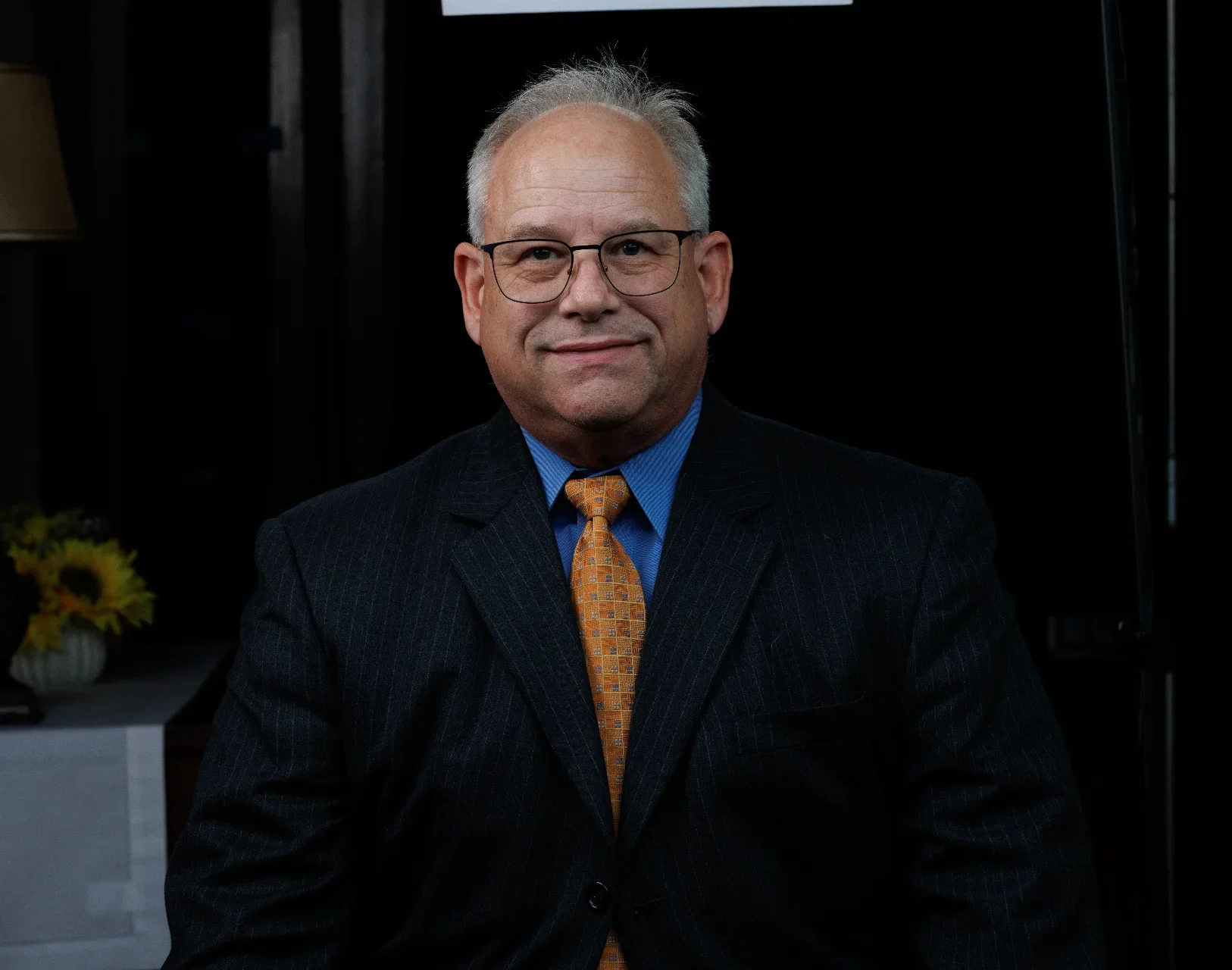
From his time as a federal prosecutor, Russell Lorfing understands that the person at the center of an investigation may be one of the last to learn how much evidence has already been collected. Federal cases can look quiet from the outside while subpoenas, interviews, and data review continue behind the scenes.
What to do when federal agents approach you
An unannounced visit is designed to catch a person before they have reviewed records, spoken with counsel, or had time to think through the questions. Agents may be professional and friendly, but the conversation still serves an investigative purpose.
In a voluntary encounter, a person can generally decline to answer questions, ask for the agents’ names and contact information, and say that an attorney will respond. The person should not lie, destroy evidence, threaten anyone, or physically interfere with the agents.
Why “explaining it” can make the situation worse
The danger is not limited to confessing. A person may give an incomplete answer, guess at a date, adopt an agent’s wording, or deny something before seeing the document the agent already has.
A knowingly false material statement to federal investigators can create separate exposure under 18 U.S.C. § 1001, even when the original investigation never produces the charge the agents were considering. Silence can be changed later; a recorded false answer cannot be taken back.
If agents have contacted you, write down who came, which agencies they identified, what they asked for, and whether they left a card, letter, subpoena, or property receipt. Preserve that information and let counsel decide how to make the next contact.
Search warrants and seized devices
A search warrant is a court order authorizing agents to search identified places or property for specified evidence. Under Federal Rule of Criminal Procedure 41, a warrant must command execution within a set period no longer than 14 days and generally during daytime hours unless the judge authorizes another time.
That 14-day rule concerns execution of the warrant; it does not mean investigators have only 14 days to review lawfully seized evidence.
If agents arrive with a warrant:
Ask to see the warrant: Read the places to be searched and the items agents are authorized to seize.
Do not interfere: Arguing, blocking the search, or hiding property can create additional problems.
Do not expand the search by consent: A warrant has a stated scope. Consent may give agents authority they did not already have.
Ask for counsel: Tell the agents you want to contact an attorney, even if they begin executing the warrant immediately.
Keep the paperwork: Preserve the warrant, attachments, inventory, and contact details for the agents involved.
Questions about unlocking a device or disclosing a passcode can involve fact-specific Fourth and Fifth Amendment issues. Do not guess at your obligations while agents are standing in the room; ask to speak with an attorney.
A device seizure shows that investigators persuaded a judge there was probable cause to search for evidence described in the warrant. It does not prove the owner committed a crime, but it should be treated as a serious development.
Grand jury subpoenas require a careful response
A subpoena ad testificandum commands a person to appear and testify. A subpoena duces tecum commands the production of documents, records, electronically stored information, or other specified evidence.
Ignoring a valid federal subpoena without an adequate excuse can lead to contempt. Producing records carelessly can also waive privileges, expose unrelated sensitive information, or give prosecutors material outside what the subpoena properly demands.
Counsel can review:
Scope: What the subpoena actually requires and whether any request is unclear or overly broad.
Deadline: Whether compliance is possible or more time should be requested.
Preservation: Which paper and electronic records must be protected from alteration or deletion.
Privilege: Whether attorney-client, work-product, Fifth Amendment, or other protections may apply.
Production method: How responsive documents should be collected, reviewed, organized, and delivered.
Do not “clean up” files after receiving a subpoena or learning about an investigation. Destroying, concealing, or falsifying records with the required intent can carry up to 20 years under 18 U.S.C. § 1519.
A target letter is serious—but not every target receives one
A target letter generally tells a person that the government considers them a target of a federal investigation. It may identify the general subject of the inquiry and explain rights related to grand jury testimony.
Receiving a target letter often means prosecutors are considering an indictment, but no charge has yet been filed. The letter may also create a short window for counsel to communicate with the prosecutor, review whether testimony or a proffer should be considered, and present information the government may not have.
The opposite is equally important: not receiving a target letter does not prove that you are not a target. DOJ policy encourages notice in appropriate cases, but recognizes that notice may be withheld when it could risk flight, destruction of evidence, danger to witnesses, delay, or another harm to the investigation.
If agents have contacted you, a subpoena has arrived, or you received a target letter, contact Keith & Lorfing before responding on your own.
Proffer sessions are negotiations, not informal conversations
A proffer session—sometimes called a “queen for a day” meeting—allows a person to provide information to prosecutors under a written agreement. The agreement may restrict how the government can use certain statements directly, but it rarely provides complete immunity.
Terms vary. Depending on the agreement, prosecutors may be able to use information to pursue investigative leads, challenge later testimony, rebut a defense position, or prove that the person gave a false account.
Before recommending a proffer, a defense attorney should know:
What the government appears to know: Walking into the meeting blind can make it impossible to judge where the danger lies.
What protection the written agreement provides: The label “proffer” matters less than the actual language.
What the client can truthfully add: Speculation, minimization, and avoidable inconsistencies can cause lasting harm.
What the client expects in return: A proffer does not guarantee immunity, a cooperation agreement, a plea offer, or a decision not to charge.
A proffer is not a chance to talk your way out of a case. It is a strategic decision made after counsel weighs the likely benefit against the statements the government will gain.
Civil and criminal investigations can run at the same time
The same facts may trigger a criminal investigation, a civil enforcement action, an administrative review, a licensing proceeding, or a lawsuit. Health care billing, tax, securities, environmental, procurement, and corporate fraud matters often cross more than one track.
A federal healthcare fraud defense lawyer can help coordinate the response when billing allegations, government audits, subpoenas, licensing issues, and potential criminal exposure overlap.
A response that appears helpful in a civil matter may create risk in a criminal one. Interview statements, deposition testimony, document productions, and written explanations can move between proceedings when the law permits.
This is why the defense strategy cannot be divided among separate lawyers who never compare notes. Counsel should identify every active proceeding, determine who represents whom, and coordinate responses before one case creates evidence for another.
The company’s lawyer may not be your lawyer
When an investigation involves a business, company counsel represents the organization unless there is a separate agreement to represent an employee personally. The lawyer may interview employees to advise the company, and the company may control whether the resulting information is disclosed to the government.
Before an interview in an internal corporate investigation, ask whom the attorney represents and who controls the privilege. An employee whose conduct is under review may need independent counsel, even when the employee and company appear to share the same interests at first.
If charges are filed, sentencing exposure starts with the statute
Every federal charge has its own elements, maximum penalties, and possible mandatory minimums. An indictment states accusations; it does not decide whether the person is guilty or what sentence would apply.
If a case ends in a conviction, the court generally calculates an advisory guideline range and then considers the factors in 18 U.S.C. § 3553(a). The U.S. Sentencing Commission describes the guidelines as the starting point and initial benchmark—not a mandatory sentence after United States v. Booker.
The calculation can turn on much more than the statute named in the indictment. Loss amount, drug quantity, number of victims, role in the offense, use of sophisticated means, obstruction, acceptance of responsibility, and criminal history may affect the range when the applicable guideline permits it.
Consequences beyond a possible sentence
A federal case can affect a person’s life before and after the courtroom proceedings. The consequences depend on the charge, profession, immigration status, licensing rules, and property involved.
| Possible consequence | What it may involve |
|---|---|
| Professional licensing | A board may open a separate disciplinary case after an investigation, charge, or conviction |
| Immigration status | Certain pleas and convictions can create removal or admissibility consequences for non-citizens |
| Firearm rights | A qualifying conviction or another federal status can prohibit firearm or ammunition possession |
| Federal program participation | Some convictions can lead to suspension or exclusion from government programs or contracting |
| Asset forfeiture | The government may seek property alleged to be proceeds of, or connected to, an offense |
| Employment and reputation | Public charges can affect security clearances, leadership roles, and professional relationships |
These risks should be considered before a plea, proffer, civil settlement, or public statement—not after the criminal case is over.
Mistakes that can turn a manageable problem into a second case
People under investigation often cause the most damage while trying to make the problem disappear. The safest response is usually less dramatic: stop, preserve, document, and get advice before acting.
Talking to agents to “clear it up”: An inaccurate denial or confident guess may be compared with records the agents already possess.
Deleting texts, emails, or files: Deletion can destroy helpful context and may create obstruction or evidence-tampering exposure.
Telling coworkers what to say: Even a poorly worded attempt to “get everyone on the same page” can look like witness tampering.
Creating or backdating records: A new document presented as an old one can become stronger evidence than the conduct being investigated.
Consenting to a broader search: Voluntary consent may expand what agents are allowed to examine.
Assuming company counsel represents everyone: The organization’s interests may later conflict with an employee’s interests.
Posting about the investigation: Messages, social media posts, and public explanations can become evidence and alert other witnesses.
Preserving evidence does not mean sorting it, rewriting it, or asking other people to send you copies in secret. It means keeping existing documents, devices, messages, and accounts intact until counsel can establish a lawful preservation and review process.
How Keith & Lorfing approaches a federal investigation
Pre-charge representation is not about making promises that charges will disappear. It is about replacing panic and guesswork with a controlled response.
Depending on the investigation, we may:
Take over communications: Agents and prosecutors can direct appropriate requests through counsel.
Identify the client’s status: We can seek information about whether the government views the client as a witness, subject, or target, while recognizing prosecutors may not disclose everything.
Protect the record: We help clients preserve information without altering, overproducing, or waiving protected material.
Review subpoenas and warrants: We examine scope, deadlines, privileges, seized-property records, and possible legal challenges.
Evaluate a proffer or cooperation request: We compare the proposed agreement with the risks and realistic benefits.
Present the defense position: When appropriate, counsel may give prosecutors legal authority, documents, or context that bears on whether charges should be filed.
Prepare for the next stage: If an indictment appears likely, we begin analyzing evidence, detention issues, guideline exposure, and possible defenses before the first court appearance.
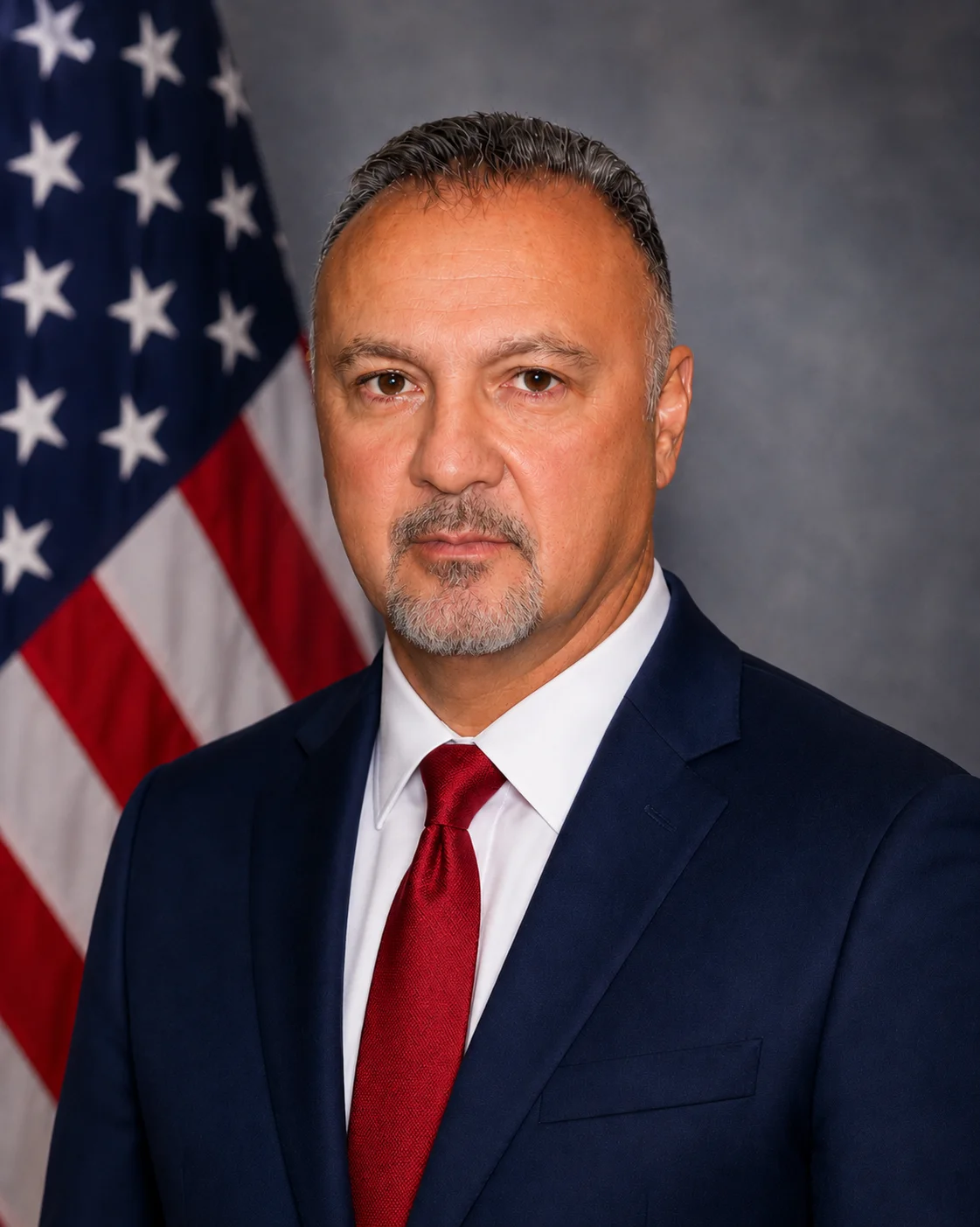
Russell Lorfing’s experience as a former federal prosecutor in Lubbock gives our team a practical view of how charging decisions are developed and presented. Together, our attorneys bring more than 75 years of combined experience and more than 500 jury trials.
Learn more about our attorneys.We serve West Texans from offices in Abilene, Lubbock, Midland, and San Angelo.
Talk with a West Texas federal criminal defense attorney
The government does not have to wait until you are ready before it interviews another witness, reviews another account, or serves another subpoena. The earlier we understand the investigation, the more time we have to protect the record and prepare for what may come next.
Keith & Lorfing offers free consultations and serves clients across West Texas from offices in Abilene, Lubbock, Midland, and San Angelo. Call Keith & Lorfing at (325) 480-8100 or use our contact page to discuss the next step.
Frequently asked questions
Do I need an attorney if agents say I am only a witness?
You should at least get independent legal advice before an interview or document production. “Witness” is not permanent immunity, and an attorney can help determine what you must provide, what you may decline, and whether answering could expose you to risk.
How long does a federal investigation take?
There is no standard length. Some inquiries end quickly, while cases involving financial records, electronic evidence, multiple agencies, or many witnesses may last months or longer.
A period of silence does not confirm that the investigation is closed. In some cases, counsel can ask the prosecutor about status, but the government may decline to provide an answer.
What happens if I ignore a grand jury subpoena?
Failure to obey a properly served subpoena without an adequate excuse may be treated as contempt of court. A lawyer can determine whether to comply, seek more time, negotiate scope, assert a privilege, or ask the court to quash or modify the subpoena when legally supported.
Does cooperation always help?
No. Cooperation can produce a benefit in some cases, but it can also supply evidence, expose additional conduct, or lock the person into a version of events.
The decision should be based on the evidence, the written terms offered, and what the government is prepared to provide in return. A friendly request to “help us understand” is not a cooperation agreement.
Can an investigation end without charges?
Yes. Prosecutors may decide the evidence does not establish a federal offense, does not meet DOJ charging standards, or should not result in federal charges.
No attorney can guarantee a declination. Early representation does, however, allow counsel to protect the client during the investigation and present relevant legal or factual information before the government makes its decision.
Does an indictment mean I will go to prison?
No. An indictment is a formal accusation based on a probable-cause finding; it is not a conviction or sentence.
What happens next depends on the charge, evidence, pretrial rulings, negotiations, trial outcome, any mandatory minimum, the advisory guidelines, and the sentencing factors if there is a conviction.