A federal case rarely starts with an arrest. It starts quietly — a letter, a subpoena, agents at your door — after the government has already spent months building the file.
That head start is the hard part. By the time you know you’re a target, the prosecution has usually been working the case far longer than you have. Every day you wait for advice, that lead grows.
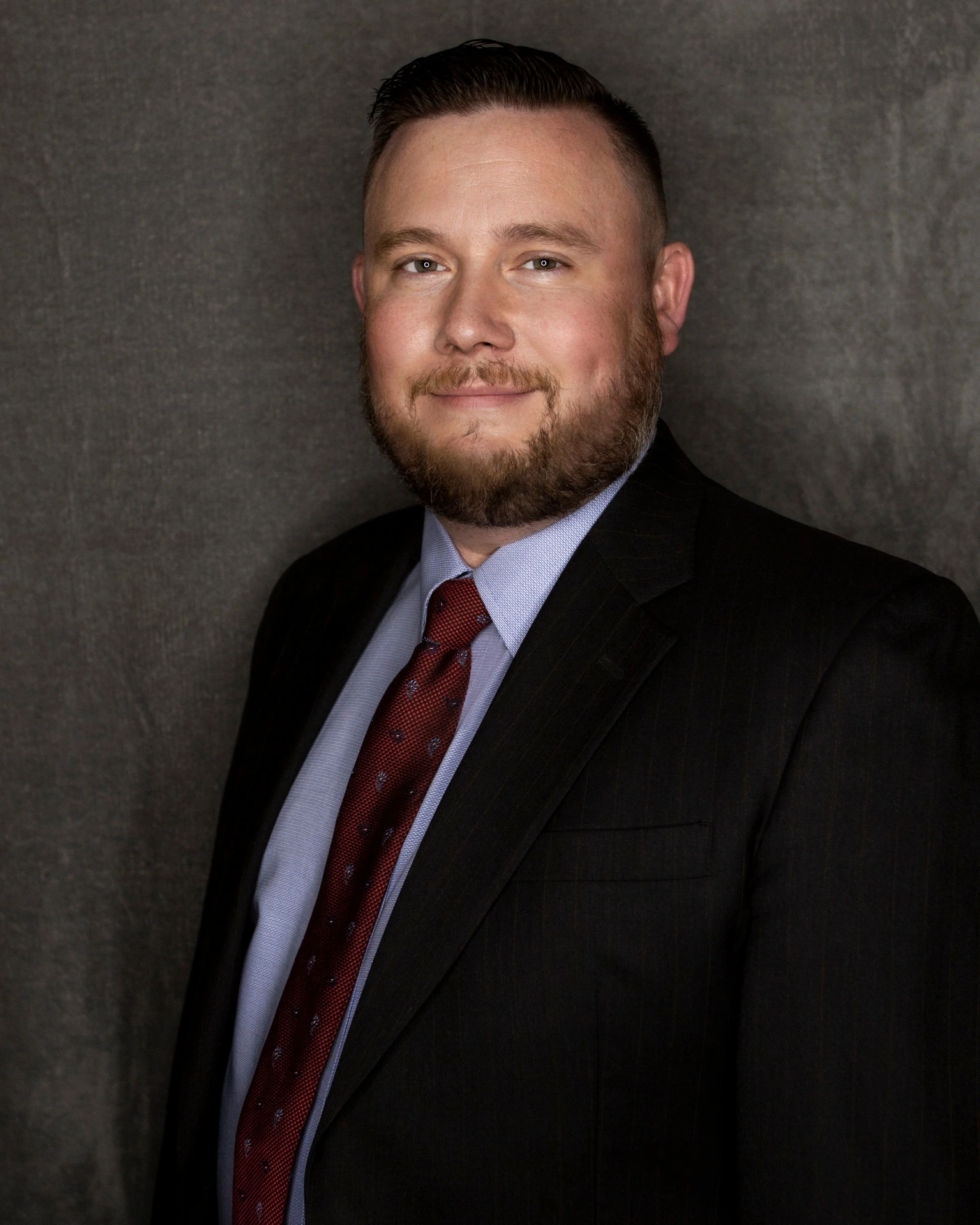
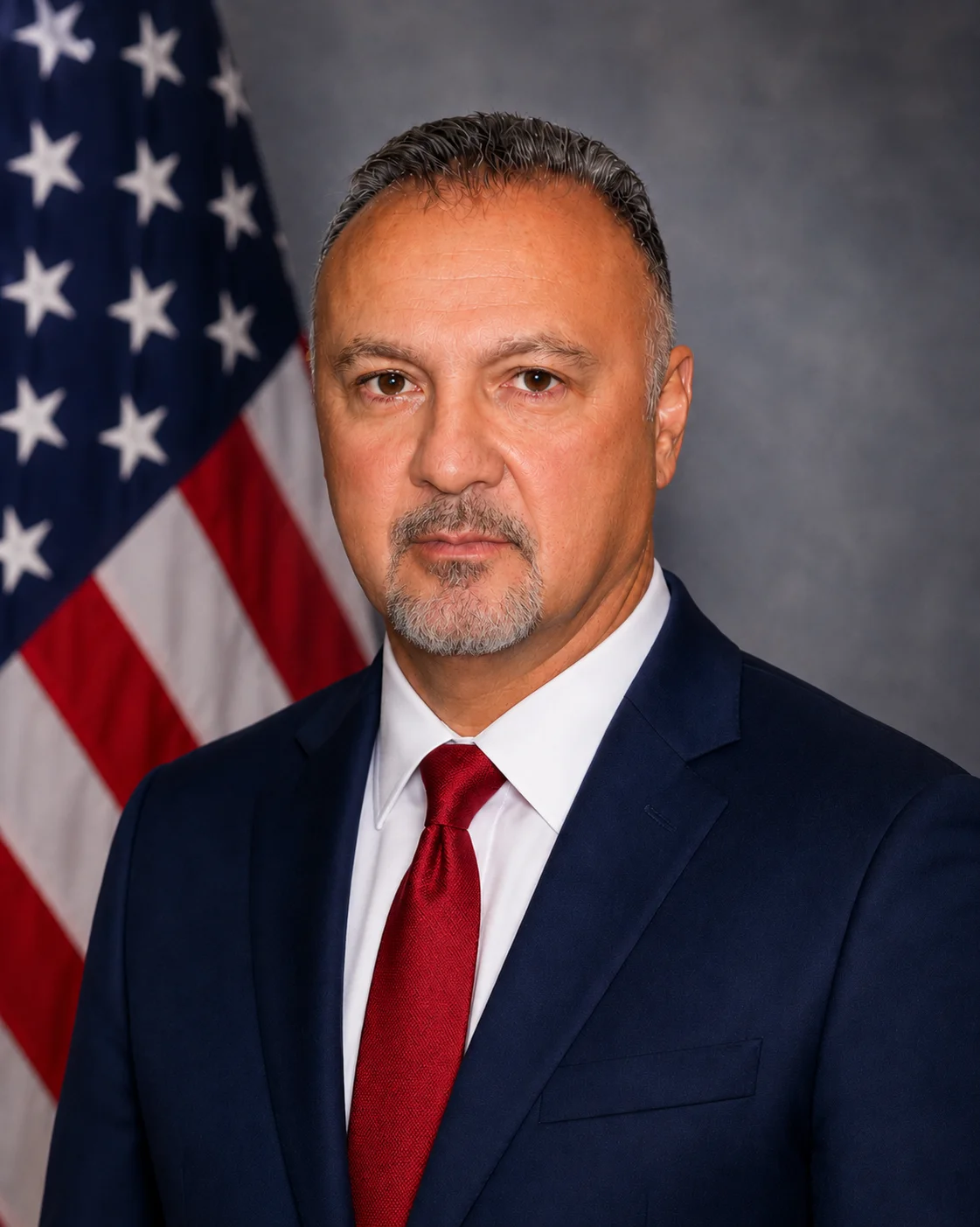
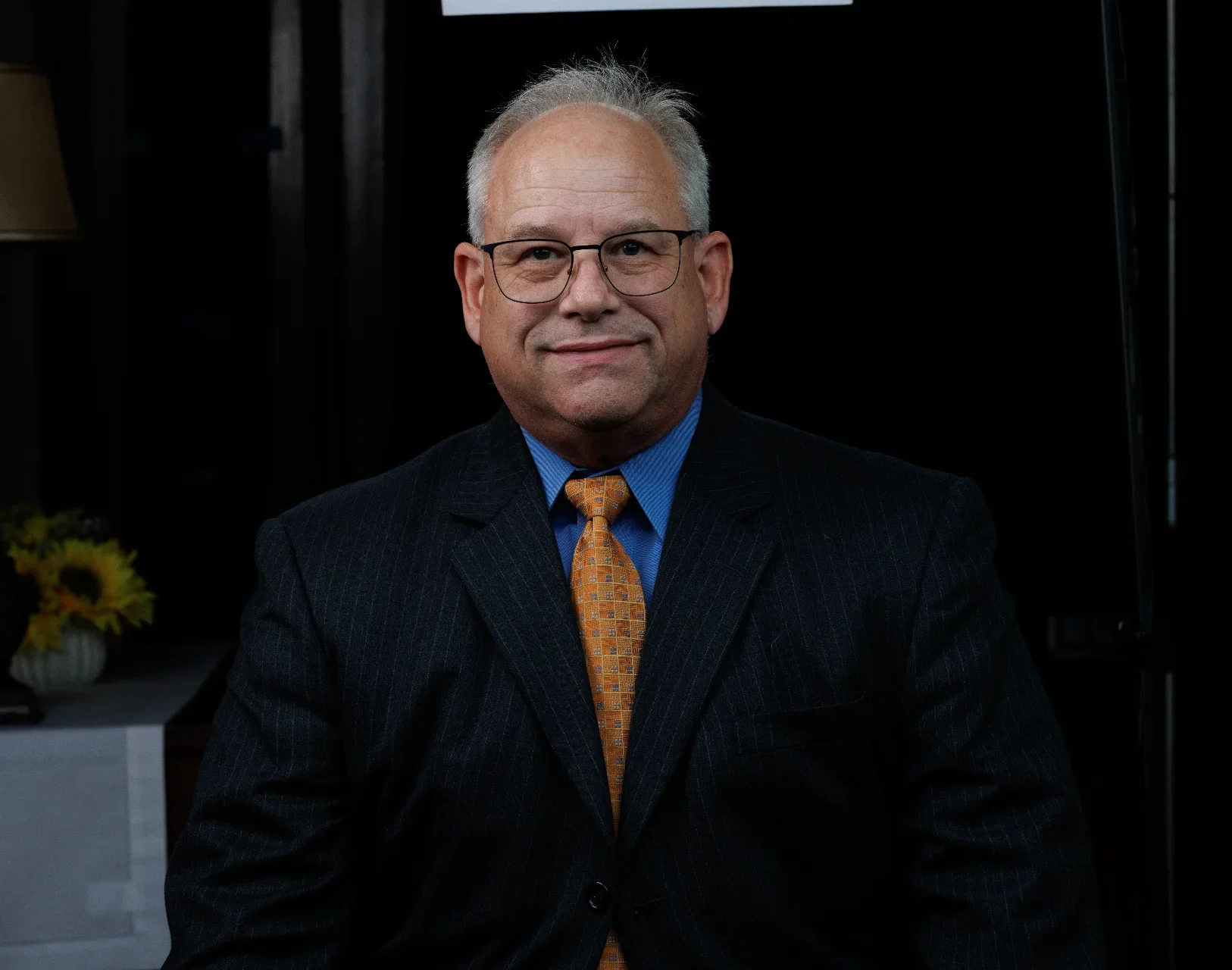
Keith & Lorfing defends people and businesses accused of federal crimes in Corpus Christi and across the Southern District of Texas. Our team is led by a former Assistant U.S. Attorney and includes a retired federal judge of counsel, so we know how the other side plans its move before it makes one.
If your case is being handled in the Houston Division, speak with our Federal Criminal Defense Lawyer in Houston about your options as early as possible.
Where your federal case will be heard in Corpus Christi
Federal charges in this region are handled in the U.S. District Court for the Southern District of Texas, Corpus Christi Division, at the U.S. Courthouse, 1133 N. Shoreline Blvd. Cases here are prosecuted by the U.S. Attorney’s Office for the Southern District of Texas.
The Corpus Christi Division covers ten counties: Aransas, Bee, Brooks, Duval, Jim Wells, Kenedy, Kleberg, Live Oak, Nueces, and San Patricio. If the alleged conduct touches any of them, this is likely where your case lives.
The docket reflects the coast. This is a port region on a major trafficking and travel corridor, so federal drug and immigration cases move through it steadily, along with some maritime and port-related matters.
The federal cases we defend in Corpus Christi
We defend the full range of federal matters heard in the Corpus Christi Division. Each charge type has its own elements and its own defenses — start with the summary below, then follow the link for a closer look at your situation.
- Federal drug charges: Distribution, manufacturing, importation, and conspiracy under 21 U.S.C. §§ 841 and 846, plus import/export under §§ 952 and 960. Coastal and highway corridors feed many of these cases, and drug quantity drives mandatory minimums, so the numbers matter from day one.
- Federal immigration crimes: Illegal reentry after removal under 8 U.S.C. § 1326, harboring or transporting under § 1324, and document fraud under § 1546. These are common along the South Texas corridor and carry consequences that outlast the case itself.
- Federal gun and weapons charges: Felon-in-possession under 18 U.S.C. § 922(g) and using a firearm in furtherance of a crime under § 924(c), often charged alongside drug counts.
- Money laundering and financial crimes: Laundering under 18 U.S.C. §§ 1956 and 1957 and structuring under 31 U.S.C. § 5324, frequently tied to alleged trafficking proceeds moving through the region.
- Wire and mail fraud: Schemes charged under 18 U.S.C. §§ 1343 and 1341, from business fraud to pandemic-relief and investment cases.
- Federal conspiracy: Group cases under the general conspiracy statute (18 U.S.C. § 371), drug conspiracy (21 U.S.C. § 846), and fraud conspiracy (18 U.S.C. § 1349), where you can be charged for what others allegedly did.
- Healthcare fraud: Billing and kickback cases under 18 U.S.C. § 1347, the Anti-Kickback Statute (42 U.S.C. § 1320a-7b), and the False Claims Act (31 U.S.C. § 3729).
We also defend related conduct that shows up alongside these charges, including false statements to federal agents under 18 U.S.C. § 1001 and obstruction under 18 U.S.C. §§ 1512 and 1519.
If you’re not sure which category fits, talk to a federal defense lawyer and we’ll help you understand the exposure.
What a federal charge in Corpus Christi actually puts at risk
Federal cases are not scaled-up state cases. They carry mandatory minimum sentences, an advisory set of Sentencing Guidelines, and no parole — federal time is served almost in full.
Mandatory minimums surprise people most. In drug and gun cases especially, a single fact — a quantity, a prior conviction, a firearm — can lock in a floor the judge cannot go below without a legal reason.
The Sentencing Guidelines then set a recommended range on top of that. For drug cases the quantity drives the math; for fraud and laundering cases the alleged loss or laundered amount does. Both are worth fighting over hard.
In fraud-type cases the loss amount is the engine of the sentence, stepping up at set dollar thresholds, so the government’s figure is heavily litigated rather than accepted — more on that in our federal wire fraud defense guide.
The damage rarely stops at prison. Depending on the facts of your case, you may also face:
- Asset forfeiture: The government can move to seize money, vehicles, vessels, homes, and accounts it claims are tied to the alleged offense — sometimes before trial.
- Immigration consequences: A conviction, or even certain pleas, can trigger removal for non-citizens. Under Padilla v. Kentucky, your lawyer must advise you on these effects before you plead.
- Professional licensing loss: Medical, financial, maritime, and other licensed professionals can lose the credentials their livelihood depends on.
None of these outcomes is automatic, and none is a foregone conclusion. How early and how well a case is defended can change every one of them.
How federal investigations start — and the mistakes that make them worse
We’ve sat on the other side of these cases, and it shapes how we read them. When our managing partner served as a federal prosecutor, many investigations started with a whistleblower and a spreadsheet. Today the government leads with data — analytics scanning billing and financial patterns across whole industries to flag outliers automatically.
That changes who gets looked at. You no longer need an angry employee to draw scrutiny; transacting or billing differently from your peers can be enough. Along the coastal corridor, drug and immigration cases still grow out of interdiction stops, surveillance, and cooperating witnesses.
A person or business can be under review before anyone complains, and by the time it feels real, investigators may already hold years of records. These cases stay quiet on the surface but are moving underneath the whole time.
Enforcement has also shifted toward individuals. DOJ increasingly pursues the executives and decision-makers behind an organization, not just the company. Coming forward early — before the government finds an issue on its own — is about leverage, not a deadline: once it gets there first, you’re reacting instead of deciding.
Two early mistakes cost people the most:
- Deleting or “cleaning up” records. As a former prosecutor, our managing partner saw this repeatedly — erasing texts, emails, or documents doesn’t fix the problem, it creates a new one. Obstruction is often easier to prove than the underlying conduct, because the government can show what existed, what was removed, and when. Evidence preserved and produced strategically through counsel does the opposite: it can build leverage.
- Putting your head in the sand. Ignoring it lets the government quietly build its case while your options shrink.
If you fear you’re under review, a few steps matter most right away:
- Hire experienced federal counsel now — ideally before a subpoena or agents arrive, and not a general practitioner.
- Preserve everything. Never delete or alter records; evidence produced strategically through counsel can create leverage.
- Control all government contact. Let your lawyer make first contact, and never rely on informal assurances from an agent.
- Get an honest read on timing, so you act while options are still open.
Worried a case may be building? Reach out for a confidential review of where things stand.
How we defend federal cases in Corpus Christi
The best federal defense often starts before charges are filed. When we get involved during the investigation, we can sometimes shape the outcome while the government is still deciding — or keep a case from being charged at all.
Having built these cases from the prosecution side, our managing partner knows where a decision is still open and where it has hardened — and that read tells us where a case can still be narrowed, redirected, or headed off.
Our approach is built around a few concrete strategies:
- Investigation-stage intervention: If you’ve received a target letter or grand jury subpoena, we step in to manage contact with agents and prosecutors so you don’t hand the government its case. We can present your side while decisions are still open.
- Suppression and challenging the evidence: We examine every stop, search, vehicle or vessel seizure, wiretap, and interview for constitutional violations. Evidence obtained illegally can be kept out — and in corridor drug cases, the legality of the stop is often where the whole case turns.
- Attacking the government’s math: In drug and fraud cases, the alleged quantity or loss amount usually drives the sentence. A loss figure is usually a spreadsheet built on assumptions — credits the client is owed, double-counted dollars, and speculative “intended” losses all belong in the fight, and we test every cell.
- Negotiation from strength: We negotiate from a prepared, trial-ready position — not from fear. Prosecutors treat a defense that is ready to go to trial differently.
- Trial: When the government won’t offer a fair resolution, we try cases. Our founding partner Trey Keith has spent 20-plus years defending the accused and earning “Not Guilty” verdicts.
- Sentencing mitigation: If a case reaches sentencing, the work is far from over. You don’t just plead — you litigate the math, arguing Guidelines calculations, safety valve eligibility under 18 U.S.C. § 3553(f), acceptance of responsibility, and every fact under 18 U.S.C. § 3553(a) that lowers exposure.
Why choose Keith & Lorfing for your federal case
Federal defense rewards experience on both sides of the courtroom. Our team has it.
- A former federal prosecutor leads the firm. Managing partner Russell Lorfing is a former Assistant U.S. Attorney who ran a federal human trafficking task force on Saipan. In 2024 he was selected Co-Chair of the Federal Criminal Defense Committee for the Texas Criminal Defense Lawyers Association and named a Super Lawyers honoree.
- A retired federal judge sits of counsel. The Hon. E. Scott Frost (Ret.) brings more than 30 years of federal courtroom experience to our strategy.
- A veteran trial lawyer at the founding chair. Trey Keith has defended the accused for over 20 years, with many “Not Guilty” verdicts, a Masters in Philosophy, and MENSA membership.
- A deep bench. Our team includes former federal prosecutors and defenders, former FBI agents, and former IRS criminal investigators — people who know how federal cases are built.
- Admitted where your case lives. Russell Lorfing is admitted in the Southern District of Texas, along with the Northern and Western Districts, the Fifth Circuit, and the U.S. Supreme Court.
Federal law applies the same way in every district. What matters is not where a firm sits but how it defends federal cases.
One honest note: past results never guarantee a future outcome. Every case turns on its own facts, and we’ll tell you straight what yours looks like.
You can request a case review with our federal defense team whenever you’re ready.
What to expect in the federal process
Federal cases move quietly but constantly. They don’t look fast on the surface, but underneath they’re moving the entire time — by the time it feels real, it’s usually much further along than you think.
Here’s the general path a Corpus Christi federal case follows:
- Investigation: Agencies like the DEA, FBI, HSI, ATF, or the Coast Guard gather evidence, often for months, before anyone is charged. Target letters and grand jury subpoenas surface here.
- Charging: The government brings charges by indictment or information filed in the Southern District of Texas.
- Initial appearance and detention: You appear before a magistrate judge, and the court decides on release or detention.
- Pretrial: Both sides exchange discovery, and the defense files motions to suppress evidence or dismiss counts.
- Resolution: The case ends in a negotiated plea or a trial before a district judge at the courthouse on N. Shoreline Blvd.
- Sentencing: If there’s a conviction, the court sets a sentence guided by the advisory Guidelines and the arguments both sides make.
Knowing the path is one thing; having someone who has walked it from the prosecution side is another. You can contact our firm at any stage — the earlier, the better.
Talk to a Corpus Christi federal defense team before the government decides for you
A federal investigation is frightening, but you are not out of options — and you don’t have to face it alone. The sooner you have a former prosecutor reviewing your situation, the more room there is to change where it goes.
Keith & Lorfing defends federal cases in Corpus Christi and throughout the Southern District of Texas. We’ll listen, tell you honestly what you’re facing, and start building a defense.
We also represent clients across the Southern District of Texas, from Houston and Galveston to border courts where our Brownsville federal criminal defense team handles serious drug, immigration, firearms, smuggling, and fraud cases.
Schedule a confidential consultation with our federal defense team today.
Frequently asked questions
Where will my federal case be heard in Corpus Christi?
Most federal cases from this region are handled in the Southern District of Texas, Corpus Christi Division, at the U.S. Courthouse, 1133 N. Shoreline Blvd. The division covers Aransas, Bee, Brooks, Duval, Jim Wells, Kenedy, Kleberg, Live Oak, Nueces, and San Patricio counties.
Do I need a lawyer if I’ve only received a target letter or subpoena?
Yes — that’s often the most important moment to have one. A target letter means the government believes you may be charged, and early representation can shape or even prevent that decision.
What’s the difference between a state and federal charge in Nueces County?
Federal cases are prosecuted by U.S. Attorneys in federal court and carry mandatory minimums and Sentencing Guidelines, with no parole. State cases go through Texas courts under state law. The rules, penalties, and strategy are different.
Should I talk to federal agents if they come to my home or business?
You have the right to remain silent and to have a lawyer present. Making a false statement to a federal agent is itself a crime under 18 U.S.C. § 1001, so it’s usually best to stay polite, decline to answer, and call a lawyer first. See our guide on what to do when federal agents want to talk.
What are mandatory minimums, and can they be avoided?
A mandatory minimum is a floor the judge generally cannot go below. In some drug cases, the safety valve under 18 U.S.C. § 3553(f) or cooperation may allow a sentence beneath that floor, depending on the facts of your case. Our page on how federal sentences are calculated explains the math.
Does hiring a lawyer early really change anything?
It can. Early involvement lets us manage contact with investigators, preserve evidence, and sometimes influence charging decisions before they’re locked in.
Can a federal charge affect my immigration status or professional license?
It can. Certain convictions and pleas carry immigration consequences, and a conviction may put professional or maritime licenses at risk. We factor these collateral effects into strategy from the start.
Do you handle drug and immigration cases from the coastal corridor?
Yes. Corridor drug, importation, and immigration cases are a core part of the Corpus Christi Division docket, and the legality of the stop, search, or seizure is often where these cases are won or lost.
How long does a federal case take?
It varies widely. Some resolve in months; complex drug, fraud, or conspiracy cases can take a year or more from investigation to resolution.