Federal drug cases rarely begin with the arrest. By then, agents may already have months of messages, location data, financial records, controlled buys, or recorded calls—and the first number in the indictment may be a mandatory minimum.

That does not make the government’s version complete or correct. It makes the early review of how the evidence was gathered, what a person actually knew, and which drug quantity can legally be attributed to that person especially important.

At Keith & Lorfing, founding partner Russell Lorfing is a former federal prosecutor in Lubbock, and our team includes multiple former federal and state prosecutors. If you are under investigation for trafficking, conspiracy, possession with intent to distribute, or another narcotics offense, speak with a federal drug crimes defense lawyer before answering questions from agents or making decisions that could affect the case.

What a federal drug trafficking charge actually means

“Drug trafficking” is a common label, but it is not a separate offense defined by that name in 21 U.S.C. § 841. Section 841 prohibits knowingly or intentionally manufacturing, distributing, dispensing, or possessing a controlled substance with intent to manufacture, distribute, or dispense it.

The government does not have to prove that money changed hands. “Distribute” generally means transferring a controlled substance, so an alleged handoff can support a distribution charge even when no sale is alleged.

Our guide to federal drug distribution charges explains what prosecutors must prove when the case is based on an alleged transfer, sale, delivery, or possession with intent to distribute

Possession, distribution, and conspiracy are not interchangeable

Simple possession under 21 U.S.C. § 844 is different from possession with intent to distribute. Quantity may be evidence of intent, but there is no single weight that automatically turns possession into intent to distribute in every case.

A conspiracy charge under 21 U.S.C. § 846 is different again. The government must prove a knowing agreement to commit a federal drug offense and the defendant’s knowing participation; friendship, presence, or association with people involved in drugs is not enough by itself.

Section 846 authorizes the same penalties as the offense that was the object of the conspiracy. That is why a person may face serious exposure even when agents did not seize drugs from that person directly.

Why a drug case may go to federal court

Texas and the federal government may both have laws that apply to the same conduct. A federal case may grow from a DEA, FBI, or Homeland Security Investigations operation, a joint task force, a multi-district investigation, the use of federal investigative tools, or a referral to the U.S. Attorney’s Office.

Drugs do not have to be carried across a state line in the defendant’s presence for prosecutors to bring a charge under § 841. The charging decision is fact-specific, and agency involvement alone does not tell you what the government can prove.

The important difference is the system that follows. Federal cases may involve statutory minimum sentences, advisory Sentencing Guidelines, grand jury proceedings, and strict motion deadlines.

An investigation can also stay quiet for months or longer while agents collect evidence. Silence from the government is not proof that the investigation has ended.

How agents build a federal trafficking case

A federal file is often assembled one piece at a time. The government may combine witness accounts, surveillance, digital evidence, laboratory results, financial records, and physical evidence to argue that separate events form one operation.

That combination can look powerful without being reliable. A careful defense asks where each item came from, whether it was obtained lawfully, and whether it proves what the government says it proves.

Informants and controlled buys

An informant may cooperate for payment, leniency, or another personal benefit. Agents may search the informant before and after a controlled buy, provide funds, monitor the encounter, or record parts of it—but the procedure used in one investigation may differ from another.

The defense may examine the informant’s prior statements, benefits, criminal history, ability to observe, and compliance with instructions. Missing recordings, inconsistent reports, or gaps in surveillance can matter.

Wiretaps and phone evidence

Title III permits certain wire and electronic communications to be intercepted only with a qualifying court order. An application must address probable cause and why normal investigative procedures have failed, reasonably appear unlikely to succeed, or would be too dangerous, and an interception order must include limits intended to reduce the capture of unrelated communications. See 18 U.S.C. § 2518.

Recorded language is often coded, incomplete, or open to more than one meaning. The defense can examine the application, authorization, minimization, sealing, identification of speakers, and the government’s interpretation of the calls.

Phone extractions, cloud records, cell-site information, and location data raise different legal and factual questions. A contact saved in a phone or a dot on a map does not, by itself, prove an agreement or knowledge of drugs.

Traffic stops, parcels, and searches

Agents may use evidence from a traffic stop, parcel investigation, home search, or phone search. Each requires its own review because consent, reasonable suspicion, probable cause, warrant scope, and the duration of a detention can affect whether evidence is admissible.

There is no general exception to the Fourth Amendment simply because agents suspect drug trafficking. A valid warrant also authorizes a search for specified evidence; it does not prove that the person searched committed a crime.

Drug quantity and mandatory minimum sentences

Drug type and quantity can place a § 841 offense into a statutory penalty tier. For the quantities below, § 841(b)(1)(A) generally provides a 10-year minimum and § 841(b)(1)(B) generally provides a five-year minimum, assuming the required drug type and quantity are properly charged and established.

Drug10-year tier under § 841(b)(1)(A)Five-year tier under § 841(b)(1)(B)
Heroin1 kilogram or more100 grams or more
Cocaine5 kilograms or more500 grams or more
Cocaine base (“crack”)280 grams or more28 grams or more
Methamphetamine (actual)50 grams or more5 grams or more
Methamphetamine mixture500 grams or more50 grams or more
Fentanyl400 grams or more40 grams or more
Fentanyl analogue100 grams or more10 grams or more
Marijuana1,000 kilograms or 1,000 plants, regardless of weight100 kilograms or 100 plants, regardless of weight

These are not complete sentencing calculations. Prior convictions, a resulting death or serious bodily injury, the offense of conviction, and available statutory relief can change the range.

For a conspiracy, the government may seek to attribute drugs handled by other people to a defendant. That does not mean every drug connected to the wider conspiracy automatically counts against every member; the scope of the jointly undertaken activity and reasonable foreseeability can be disputed at sentencing.

Death or serious bodily injury

Section 841 contains much higher penalties when death or serious bodily injury results from the use of the distributed drug. This allegation has a causation requirement; an overdose occurring somewhere in the alleged chain does not automatically establish the enhancement against every accused person.

Medical records, toxicology, the source of the substance, and other possible causes may all require close review. The exact statutory provision and facts alleged matter.

Prior-conviction enhancements under § 851

To seek certain increased statutory penalties based on a prior conviction, prosecutors must file an information under 21 U.S.C. § 851 before trial or before entry of a guilty plea. Current § 841 provisions use defined terms such as “serious drug felony” and “serious violent felony,” so not every old drug conviction qualifies.

The prior offense, sentence imposed, release date, and filing procedure should be checked. Section 851 also provides a process for affirming or denying the conviction alleged, although time limits restrict some challenges to an older conviction’s validity.

The Guidelines can count more than the indictment

A statutory minimum and the advisory U.S. Sentencing Guidelines are separate parts of the analysis. Under the Guidelines, the court may consider relevant conduct supported under sentencing rules, including quantities beyond the count of conviction in some cases.

The calculation may also include adjustments for a dangerous weapon or a person’s role, as well as a possible reduction for acceptance of responsibility. None of those adjustments should be assumed from the charge alone.

The court must calculate the advisory range and then consider the sentencing factors in 18 U.S.C. § 3553(a). A statutory minimum still controls unless a lawful basis—such as the safety valve or an authorized government motion—permits a sentence below it.

Defenses in a federal drug trafficking case

The strongest defense depends on the charge and the evidence, not a stock checklist. Our federal drug crimes defense attorneys examine the government’s proof of knowledge, possession, intent, conspiracy, drug quantity, search and seizure, and witness reliability before determining which defenses the evidence supports. We look for the point where the government’s story outruns what its witnesses, records, and seized evidence can reliably establish.

Potential issues may include:

  • Knowledge: Did the evidence prove the accused knew a substance was present or knew the nature of the alleged plan?

  • Possession: Did the accused actually possess the drugs, or did the government rely on proximity and an unproven claim of control?

  • Intent: Does the evidence prove an intent to distribute, rather than personal possession or another innocent explanation?

  • Conspiracy membership: Did the accused knowingly join the charged agreement, or merely know, associate with, or do business with someone involved?

  • Search and seizure: Did agents stay within constitutional and warrant limits when stopping a vehicle or searching a home, package, or device?

  • Witness reliability: What benefits, contradictions, or missing safeguards affect an informant’s account?

  • Drug identity and weight: Was the substance properly tested, weighed, documented, and preserved through the chain of custody?

  • Quantity attribution: Which amounts were within the activity the accused agreed to undertake and reasonably foreseeable to that person?

A motion to suppress can exclude evidence obtained unlawfully, but it is not automatic and does not end every case. The warrant, affidavits, recordings, reports, and timeline must be reviewed before anyone can responsibly assess that option.

The safety valve is not the same as cooperation

The safety valve in 18 U.S.C. § 3553(f) can allow a court to sentence below an otherwise applicable minimum for specified drug offenses. Eligibility requires satisfying every statutory condition, including the detailed criminal-history rule.

The other conditions generally require that:

  • Violence and weapons: The defendant did not use violence or credible threats of violence, possess a firearm or other dangerous weapon in connection with the offense, or induce another person to do so.

  • Resulting harm: The offense did not result in death or serious bodily injury.

  • Role: The defendant was not an organizer, leader, manager, or supervisor of others in the offense and was not engaged in a continuing criminal enterprise.

  • Truthful disclosure: By the sentencing hearing, the defendant truthfully provided the government all information and evidence the defendant had about the offense and related conduct covered by the statute.

That last condition does not mean the information must be new or useful. It also does not make safety-valve disclosure identical to substantial assistance, which generally requires a government motion for a sentencing benefit based on assistance.

Both choices can carry legal and personal risks. No one should enter a proffer session or make a disclosure without first understanding the agreement, the possible use of the statements, and the safety consequences.

Early choices that can change the case

An unexpected call, subpoena, or search can create pressure to act immediately. The safer response is to preserve information, avoid discussing the facts, and get advice about the specific demand.

EventWhat it may meanImmediate concern
Target letterProsecutors view the recipient as a potential defendant based on substantial evidenceDo not respond or meet with agents before getting legal advice
Grand jury subpoenaThe government is demanding testimony, records, or bothPreserve responsive material and obtain advice about deadlines, scope, privileges, and objections
Search warrantA judge found probable cause to search a described place for identified evidenceDo not obstruct the search or volunteer answers; keep the warrant and property receipt
IndictmentA grand jury found probable cause to charge the listed offensesRelease, discovery, motion, and trial deadlines may begin quickly

Do not delete messages, wipe a device, hide records, or ask another person to do it. Depending on the facts and intent, altering or concealing material connected to a federal matter can create separate obstruction allegations under laws such as 18 U.S.C. § 1519.

Do not contact a suspected informant or another accused person to coordinate accounts. Even a well-meant conversation can be recorded or portrayed as pressure on a witness.

You may decline a voluntary interview and ask to speak with a lawyer. A subpoena or court order is different and should not be ignored; counsel can help determine what must be produced, when, and how.

If you received a target letter, subpoena, search warrant, or indictment, contact Keith & Lorfing before responding to investigators or making statements about the allegations.

How Keith & Lorfing approaches these cases

Keith & Lorfing focuses its practice in West Texas, with offices in Abilene, Lubbock, Midland, and San Angelo. Our attorneys bring more than 75 years of combined experience and more than 500 jury trials to the work.

Russell Lorfing’s experience as a former federal prosecutor in Lubbock gives our team a practical view of how federal investigations are developed and presented. We use that background to test the proof—not to assume that an indictment tells the whole story.

Depending on the case, our review may include search warrants, wiretap materials, informant records available in discovery, device evidence, laboratory reports, chain-of-custody records, alleged drug quantities, § 851 exposure, safety-valve eligibility, and the Guideline calculation. We then explain the available choices and prepare for the path the evidence supports, including trial.

Talk to a West Texas federal drug defense lawyer

In a federal drug investigation, waiting can give the government more time without giving you more information. Early legal advice can help protect your rights, preserve evidence, and replace guesswork with a realistic assessment of the charge and sentencing exposure.

Keith & Lorfing offers free consultations to people facing federal investigations and charges in West Texas. Contact our team or call (325) 480-8100 before speaking with investigators.

Frequently asked questions

Is trafficking different from distribution under federal law?

The word “trafficking” is often used broadly for serious drug distribution conduct, but § 841 does not create a separate offense called “drug trafficking.” Distribution is an act prohibited by the statute, while drug type and quantity may place an offense into a higher penalty tier.

Does a large quantity automatically prove intent to distribute?

No single quantity proves intent in every case. Quantity can be strong circumstantial evidence, but prosecutors still must prove the elements of the charged offense beyond a reasonable doubt.

Can I be convicted if the drugs belonged to someone else?

Ownership is not always the decisive issue. The government may rely on actual possession, constructive possession, aiding and abetting, or conspiracy, but each theory has elements it must prove.

Will a federal drug conviction require prison?

It depends on the statute of conviction, drug type and quantity, criminal history, Guideline calculation, and whether a mandatory minimum applies. Safety-valve eligibility or a qualifying government motion may permit a sentence below a statutory minimum, but neither should be assumed.

Can federal drug charges be reduced or dismissed?

Charges may change through motions, continued investigation, or plea negotiations, but no reduction or dismissal is guaranteed. The useful question is which elements and sentencing allegations the evidence can support.

Does cooperation guarantee a lower sentence?

No. A cooperation agreement does not guarantee a government motion or a particular sentence, and the court retains an important role.

The decision can also affect personal safety and other people. It should be made only after counsel reviews the proposed terms and the likely risks.

Do I need a lawyer if I received only a subpoena?

A subpoena does not necessarily mean you are a target; you may be a witness or record holder. It is still a legally enforceable demand, and counsel can help identify your status, preserve required material, and respond without creating avoidable exposure.

Facing Federal Scrutiny?

Speak with our federal investigations team confidentially.

24/7 Crisis Line: 325-480-8100

Engagements nationwide

The Team

Former Federal Officials.
Strategic Crisis Counsel.

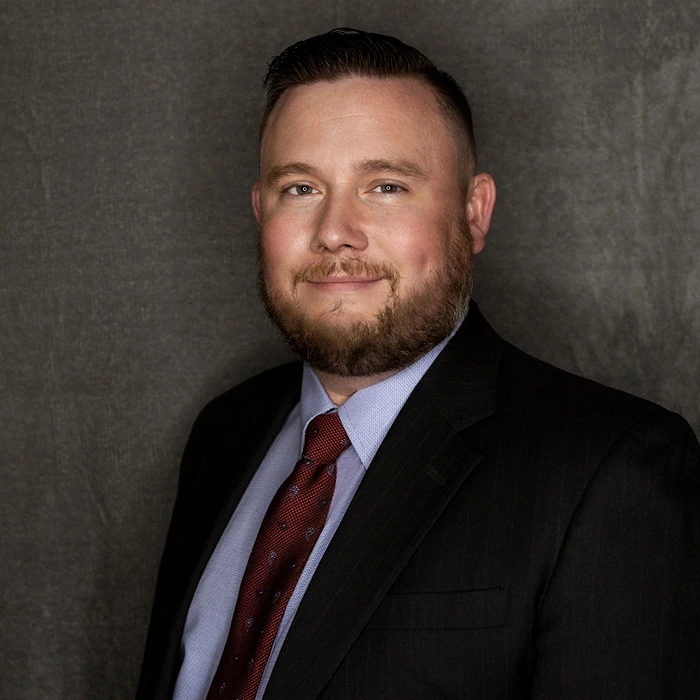
Russell Lorfing Headshot

Partner

Russell Lorfing Former Federal Prosecutor

  • Multi-award-winning trial lawyer and former federal prosecutor.
  • Has handled thousands of cases and lead counsel in numerous federal trials.
  • Served as an Assistant United States Attorney in the Northern District of
  • Texas and ran a human trafficking task force on Saipan.
  • Selected for the IRS’ Director’s Award for his prosecutorial accomplishments on financial investigations.
  • Recognized nationally for his work on white-collar investigations, bringing a wealth of experience to every case.

Read Bio

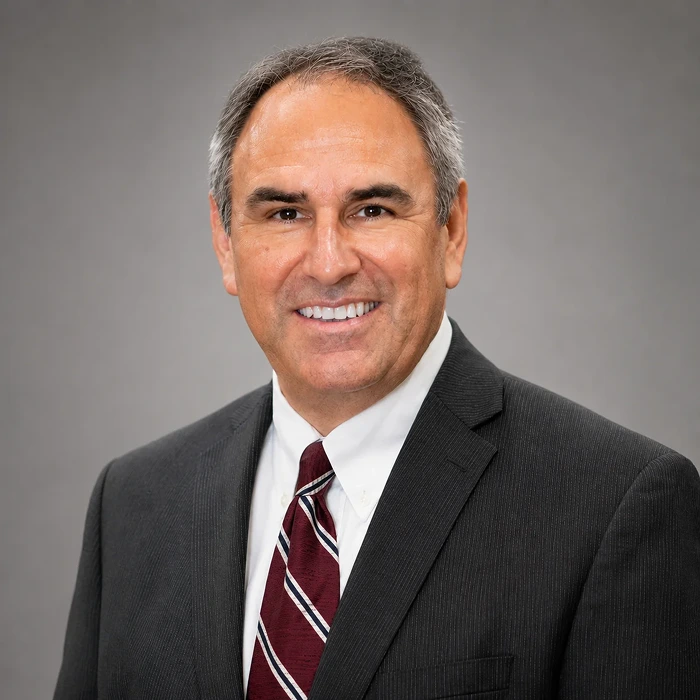
Brandi Young headshot

Partner

Brandi Young Former Federal Prosecutor

  • Retired from the Department of Justice as a career federal prosecutor before joining Keith & Lorfing.
  • Oversaw hundreds of federal investigations and served as lead counsel in over 30 federal jury trials.
  • Served as Supervisory Assistant United States Attorney in the Western District of Texas for nearly a decade.
  • Advises corporations and family offices on mitigation strategy and assists with internal compliance audits.

Read Bio

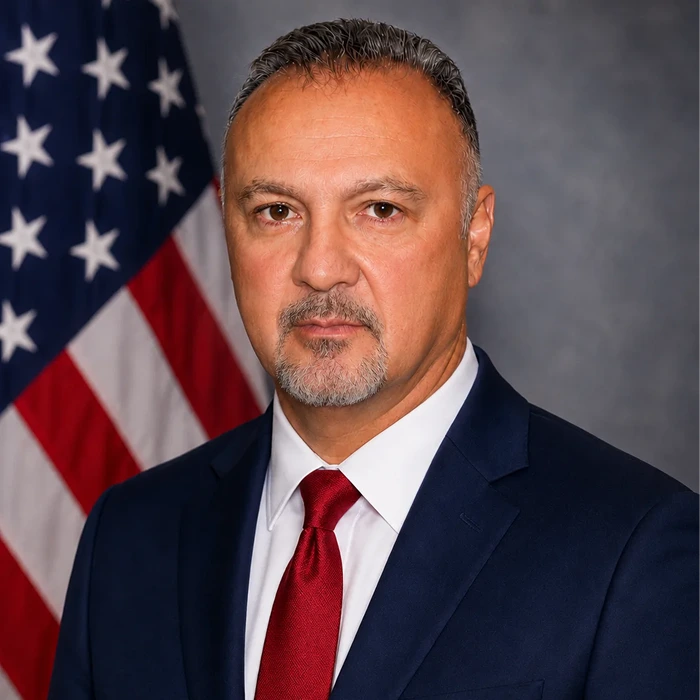
David Sloan headshot

Partner

David Sloan Former Federal Defender

He put his trial skills to work in the courtroom, prosecuting cases for Ellis County and the District Attorney’s office in Waxahachie. His skills were recognized by the trial lawyers around him, and he went from a misdemeanor prosecutor to lead counsel on murder trials in less than three years.

Read Bio

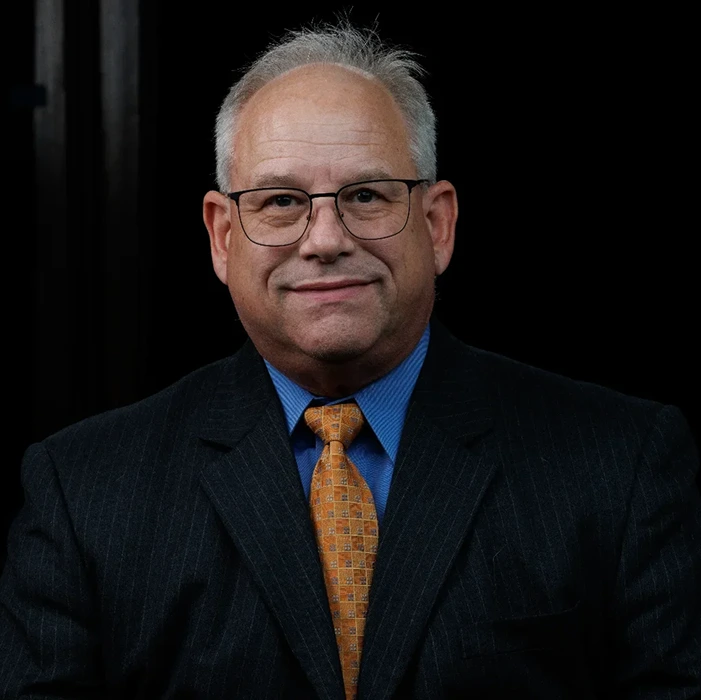
C Richard Baker headshot

Of Counsel

C. Richard Baker Former Assistant United States Attorney

Over five decades of courtroom and prosecutorial experience, including more than 30 years as an Assistant United States Attorney. A former U.S. Marine Corps officer and Vietnam veteran recognized for his trial experience in high-profile criminal matters. His command of federal criminal procedure gives clients a strategic advantage in grand jury proceedings and serious criminal exposure, with a particular passion for representing veterans.

Read Bio

Scott Frost headshot

Of Counsel

Hon. Scott Frost (Ret.) Former Federal Judge

A former U.S. Magistrate Judge with over 30 years of federal courtroom experience, Judge Frost offers invaluable insight and strategic guidance in complex federal cases.

Read Bio

Eric Gerard headshot

Of Counsel

Eric Gerard Former Federal Prosecutor

Eric brings decades of experience as a brilliant trial lawyer and strategic crisis counsel. While he enjoys a thriving personal injury practice, we routinely rely on his deep knowledge of federal investigations. His courtroom strategy strengthens our team’s ability to fight aggressively for clients facing serious federal charges.

Read Bio

Shane Chriesman headshot

Senior Associate

Shane Chriesman Former Federal Prosecutor

Javier Rocha headshot

Strategic Advisor

Javier Rocha Family Office Executive & Attorney

A family office executive and attorney with over a decade leading privately held businesses and executive teams across complex organizations. His career has focused on governance, investments, operations, and long-term stewardship for family office functions involving billions in assets, advising billion-dollar enterprises on internal investigations, investment diligence, and succession planning. Serves as Board of Directors Chairman for Heritage School and Assistant Scoutmaster for Troop 137.

Read Bio

Ann Howey Headshot

Senior Counsel

Ann Howey Former Federal Prosecutor

Ann Howey brings tenacity, sound judgment, and extensive federal court experience to complex civil and criminal matters. A former federal fraud prosecutor with a substantial civil litigation background, she combines rigorous preparation with determined advocacy for her clients.

Read Bio

Advisors & Investigators

Strategic Advisors & Federal Investigators

A bench of former federal agents, prosecutors, and senior advisors who provide investigative
depth and strategic counsel on the firm’s most complex matters.

Arthur Gonzales headshot

Strategic Investigator

Arthur Gonzales Former FBI Supervisory Special Agent

Nearly three decades with the FBI in leadership roles spanning counterterrorism, organized crime, and financial crimes. Recognized nationally and internationally for expertise in complex federal investigations, crisis management, and undercover operations, and served as an instructor at the FBI Academy. Provides strategic consulting and investigative support in federal criminal defense and white-collar investigations.

Read Bio

Michael Ornorff headshot

Strategic Investigator

Michael Orndorff Retired FBI Special Agent

Over two decades of federal investigative experience in terrorism, national security threats, and white-collar crime. Served as lead FBI Special Agent in the successful disruption of a terrorist plot involving Khalid Aldawsari, with deep expertise in sensitive investigations, complex evidence, and crisis response. Now advises on federal criminal defense, government investigations, and national security matters.

Read Bio

Travis Thorson headshot

Strategic Investigator

Travis Thorson Retired IRS-CI Special Agent & FBI Task Force Officer

Over two decades of federal investigative experience focused on complex financial crimes, money laundering, and organized criminal enterprises. A former IRS Special Agent whose forensic accounting work was critical in tracing illicit financial activity and building federal prosecutions. Provides strategic consulting for federal criminal defense, forensic accounting, and money laundering investigations.

Read Bio

Keith Quigley headshot

Special Investigator

Keith Quigley Former FBI Special Agent

Keith served as an FBI Special Agent in Lubbock for 27 years, focusing on human trafficking, crimes against children, and terrorism. Known for his collaborative leadership and relentless pursuit of justice, he now brings his expertise to our firm as Special Investigator.

Read Bio

Jennifer Sparks

Strategic Investigator

Jenifer Sparks Retired FBI Special Agent & Certified Profiler

Nearly three decades of FBI experience specializing in violent crime investigations, behavioral analysis, and crimes against children. Served as a Special Agent, Supervisory Special Agent Profiler, and Coordinator of the FBI’s Child Exploitation Task Force. Provides strategic consulting in federal criminal defense, human trafficking investigations, witness credibility assessment, and behavioral analysis.

Read Bio

Jennifer Cejpek headshot

Strategic Investigator

Jennifer Cejpek Former FBI Special Agent & Certified Fraud Examiner

More than two decades of federal investigative and intelligence experience specializing in healthcare fraud, financial crimes, and public corruption. As a former FBI Special Agent, she led complex federal investigations in close coordination with the Department of Justice. Background includes service as an Electronic Warfare and Intelligence Analyst in the U.S. Army and expertise in forensic interviewing. Advises on federal criminal defense, white-collar crime, and compliance matters.

Read Bio

William Luttrell headshot

Strategic Advisor

William Luttrell Financial Analyst & CPA

Financial analyst and Certified Public Accountant advising the firm on complex financial matters, forensic accounting, and the analysis of records central to federal white-collar and financial crime defense.

Read Bio

Recognition

Awards & Honors

Internal Revenue Service

IRS Director’s Award

For prosecutorial accomplishments on financial investigations

National Recognition

Multi-Award-Winning Trial Lawyers

Recognized nationally for white-collar investigations work

U.S. Department of Justice

Career Federal Prosecutors

Decades of distinguished service at the U.S. Department of Justice

Combined Team Experience

More Than 150 Years of Federal Law Enforcement Experience

Combined experience across DOJ, FBI, and the federal bench

Accolades & Accreditations

Client Reviews

What Our Clients Say

  • 5.0
  • Based on 361 verified Google reviews

I had a dear family friend retain Russell behind some very serious criminal charges. Russell listened and maintained contact through the whole process to assure he felt comfortable and in the loop. With Russell’s help, the case/investigation was dismissed and innocence ensured. We are so grateful for Russell’s dedication and professionalism. Would definitely recommend

  • Jaileen Ceballo
  • Google Review

Our personal experience could not have been better. These attorneys worked diligently and stayed in constant contact with us regarding the developments in our case. We always had the final say in any offers made by the prosecution. If I could only say one thing about them it would be “they listen” I always felt that my opinion was heard and considered. We discussed everything good and bad. When a decision was finally agreed on we felt it was the very best and truthfully an almost unbelievable outcome. I never want to find my family in the midst or subject of a criminal case ever again but if it happens my first and only call will be to this law firm. Big thanks to Russell and Chris on a job well done. And the office staff are simply amazing! Always polite, knowledgeable, and professional. Thank you all for treating us as family and working so hard to bring this case to a great conclusion.

  • Kathy Lindley
  • Google Review

I had a legal case that was difficult for me, and Russell Lorfing was very helpful throughout the process, advocating for me and working with me throughout the whole process. He was quite accessible as well whether by phone or email, and his staff was also quite helpful to reach out to. Russell was very systematic in going through the evidence that we had in building a case and gave pragmatic explanations on his views considering all the evidence. He also gave me the confidence several times during the process that the evidence for my case was sufficient in building a strong defense. I appreciate very much that he did not sugarcoat my situation and was patient in addressing concerns I had along the way. I strongly recommend Russell for anyone going through a difficult legal battle.

  • Michael Brown
  • Google Review

Russell was representing another client in federal court and my family saw him in action and we immediately fired our lawyer and hired Russell on the spot. One of the best decisions we’ve ever made. My brother’s case was very serious as he was looking at 40 years Fed for distribution of methamphetamine. Russell is very connected and well respected when it comes to law. He has great history in the courts with judges and prosecutors. Russell will not sell you a dream—he will shoot you straight and will not sugar coat anything. Russell was able to get my brother’s sentence cut in HALF to something way more reasonable.

  • Nick Mendez
  • Google Review

Russell Lorfing is THE guy you hire if you’ve been charged with a federal crime in West Texas. My fiancé was charged with a serious federal charge and we needed an experienced defense lawyer. He is one of the most honest lawyers you will find—he tells you exactly how things are and answers your questions honestly. He was looking at 13+ years, and now is looking at 5 years thanks to Mr. Lorfing, who did not rest until he was able to get him something better.

  • Verified Client
  • Google Review

My son is on State and Federal Parole. He was in a lot of trouble that could have landed him in prison for many years. Russell took my son’s case and has done a great job. Russell was able to get the state charges against my son dismissed—my son was looking at a minimum of twenty-five years. Russell also got my son a great plea deal with my son’s federal case. The Keith & Lorfing team treated us as if we were family. I recommend Keith & Lorfing to everybody.

  • Hazel Jefferson
  • Google Review

My entire experience with Keith and Lorfing has been great. I was facing the possibility of a 15 year MINIMUM sentence. Mr. Lorfing was very honest and made no promises but he reassured me that his main goal was to keep me out of prison. He did just that and I was able to sign for 6 years probation instead. I highly recommend Keith and Lorfing for anyone in need of a confident and experienced defense attorney.

  • Blanca Berumen
  • Google Review

My husband and I had a great experience working with Russell Lorfing. He managed to get my brother-in-law’s federal case dismissed in a short period of time. Mr. Lorfing is caring and is in constant contact with you and your family. He is a great federal defense lawyer. He is highly recommended!

  • Yoleny Palacios
  • Google Review

I wanted to express my deepest gratitude for the incredible support and expertise you provided to my family member. Your dedication and hard work made a world of difference during a challenging time. Thank you for going above and beyond to ensure the best possible outcome. We will strongly encourage anyone that is experiencing any case to consider Russell Lorfing Esq. to represent them.

  • Adrienne Holmes
  • Google Review

At the first of our situation we were scared and didn’t know where to begin. My wife made a phone call to Keith & Lorfing just to see where to begin—turned out to be the best decision! Russell and Chris from Keith & Lorfing were absolute professionals. They were the smartest and most prepared in the courtroom. Extremely impressed! They gave us our life back and could not thank them enough for what they did!

  • Aaron Wood
  • Google Review

I had the privilege of working with Keith and Lorfing for my criminal defense case, and I cannot recommend them highly enough. From the initial consultation to the courtroom proceedings, Keith and Lorfing demonstrated a deep understanding of the law and a commitment to protecting my rights. Thanks to their diligent efforts and sharp legal acumen, they successfully navigated the complexities of my case and ultimately secured a dismissal.

  • Adrien Strahan
  • Google Review

Russell was recommended to me by several people and we are so lucky to have found him! He was able to get a potential 7 year sentence down to only 9 months. Not to mention he and everyone at the law firm was so kind and helpful. It felt more like a family than a law firm. Would recommend to anyone who is in a tough spot.

  • Georgia Fuller
  • Google Review

A referral that I am very glad I was given. Not only did he meet the expectations I had heard from the referral, but exceeded them beyond measure. The process was simple and I was very comfortable and confident throughout. Mr. Lorfing and his associates are amazing and helpful. 10/10 recommended for their honesty and assistance.

  • Matthew Godinez
  • Google Review

Absolutely the best lawyer and staff I’ve ever met. He was more concerned with telling me the facts of where I stood legally than taking my case just for his financial gain. If I ever need any more legal help, I will go to their firm.

  • Kris Knight
  • Google Review

I am truly thankful for all you have done for me and my case. My family and I greatly appreciate everything you have done. I am greatly and truly impressed with the outcome. You were great at getting the answers for any question I had and explaining what everything meant. You are very outstanding and have done an amazing job. Thank you so much Russell!

  • Amy Rodriguez
  • Google Review

Russell did an amazing job. My case truly was a hail Mary. Lots of threading the needle and moving parts was an understatement. It’s a true testament that if someone wants to really change and will help him help themselves, he can and will.

  • Andy Dunlap
  • Google Review

Russell was an incredible advocate for my family. He regularly communicated with us and made us feel like we were his priority. My brother was looking at a mandatory minimum ten years in federal prison with a maximum possible sentence of life. He ended up pleading to a much less serious crime and serving less than a year. If you’ve been charged with a federal crime in West Texas, Russell Lorfing is THE ATTORNEY you hire.

  • Willie Kershaw
  • Google Review

After I was initially charged, I was swimming in a pool of despair. After my initial intake appointment there was a welcoming presence and a pedigree of honesty with my circumstances. Nothing was sugarcoated but they never made me feel like what I wanted was out of question. I couldn’t be more thrilled about the outcome—Keith literally reached into the depths of the justice system and pulled me out untarnished.

  • Williwill777
  • Google Review

Thank you Mr. Lorfing for your work getting my family member’s Federal MTR Dismissed. We know the time crunch made communication difficult so a special shout out to his legal assistant Wendi as well for getting back with me and reassuring our family things were getting done behind the scenes. We couldn’t have asked for a better outcome.

  • Brooklyn Martinez
  • Google Review

Mr. Lorfing is AMAZING! He is truly a miracle worker! My brother got into deep trouble, so we contacted the best lawyer to represent him. While most lawyers bring up payment options first, he listened to our story first. Mr. Lorfing resolved it before it got way worse and treated us like family. The Lorfing Law Firm is the way to go. He saved my brother and saved my family from heartaches.

  • MJ D
  • Google Review

Mr. Lorfing is different. He really cares about justice being served. He did a wonderful job with my son as his client. Mr. Lorfing doesn’t accept the usual outcomes of a case. He delves into all possibilities and outcomes for his clients and puts forth great effort when representing his clients. He is a very good lawyer.

  • Tammy Foster
  • Google Review

I had a complicated case and this man really did his job—and did it in no time. I’m so happy with his professionalism and empathy towards me. He really had my back. Thank you Mr. Lorfing.

  • Amy Kilough
  • Google Review

Confidential Consultation

Facing Federal Scrutiny? Act Early.

Early strategic intervention can significantly impact the course of a federal investigation. Contact our investigations team for a confidential consultation.